What Is My Lincolnshire Home Worth?
November 21, 2025
November 21, 2025
Thinking about selling your Lincolnshire home and wondering what it is really worth? You want a clear number you can trust before you make your next move. In this guide, you will see how value is determined here using three levers that matter most: micro-neighborhood comps, market velocity, and condition. You will also get a simple prep checklist and a look at what a professional valuation and strategy session includes. Let’s dive in.
Pricing in Lincolnshire is hyperlocal. Two similar homes can sell for different prices based on which subdivision they are in, whether they sit on a lake or an interior lot, and how close they are to parks, trails, or the village center. School attendance areas also influence buyer demand. That is why the most accurate pricing starts with micro-neighborhood data, not county-wide averages.
Comparables, or comps, are recent sales of homes similar to yours in the same immediate area. For Lincolnshire, the best comps are from the same subdivision or adjacent streets and within the same school boundary when possible. Strong comps match key features first, like beds and baths, finished square footage, lot type, garage count, and overall condition.
Market velocity shows how fast homes are moving and how close sellers are getting to their asking price. The key metrics are Days on Market, the sales-to-list price ratio, and months of supply. As a guide, less than 3 months of inventory signals a seller’s market, 4 to 6 months is balanced, and more than 6 months leans toward a buyer’s market.
Local demand in Lincolnshire is also shaped by commuter access to I-94 and nearby Metra service, corporate employment clusters in Lake County, and strong public schools. When your agent shows you DOM and inventory for your micro-area, you can match your pricing strategy to today’s pace, not last season’s.
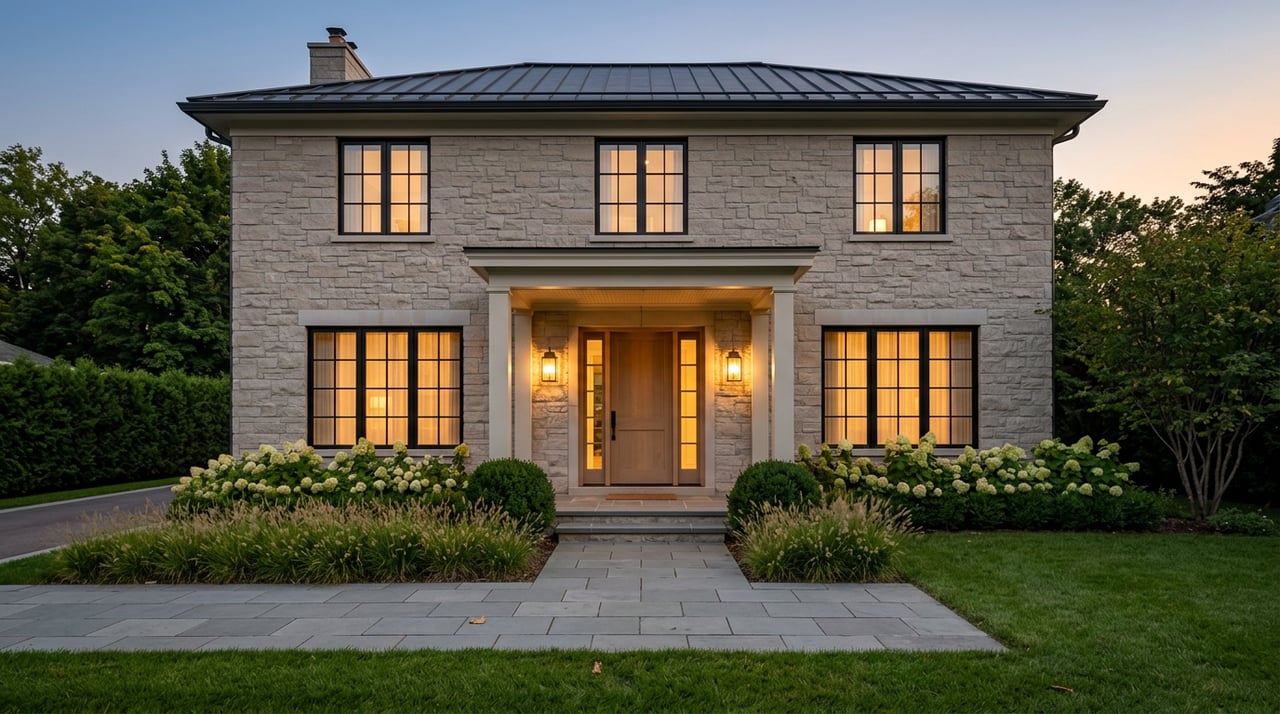
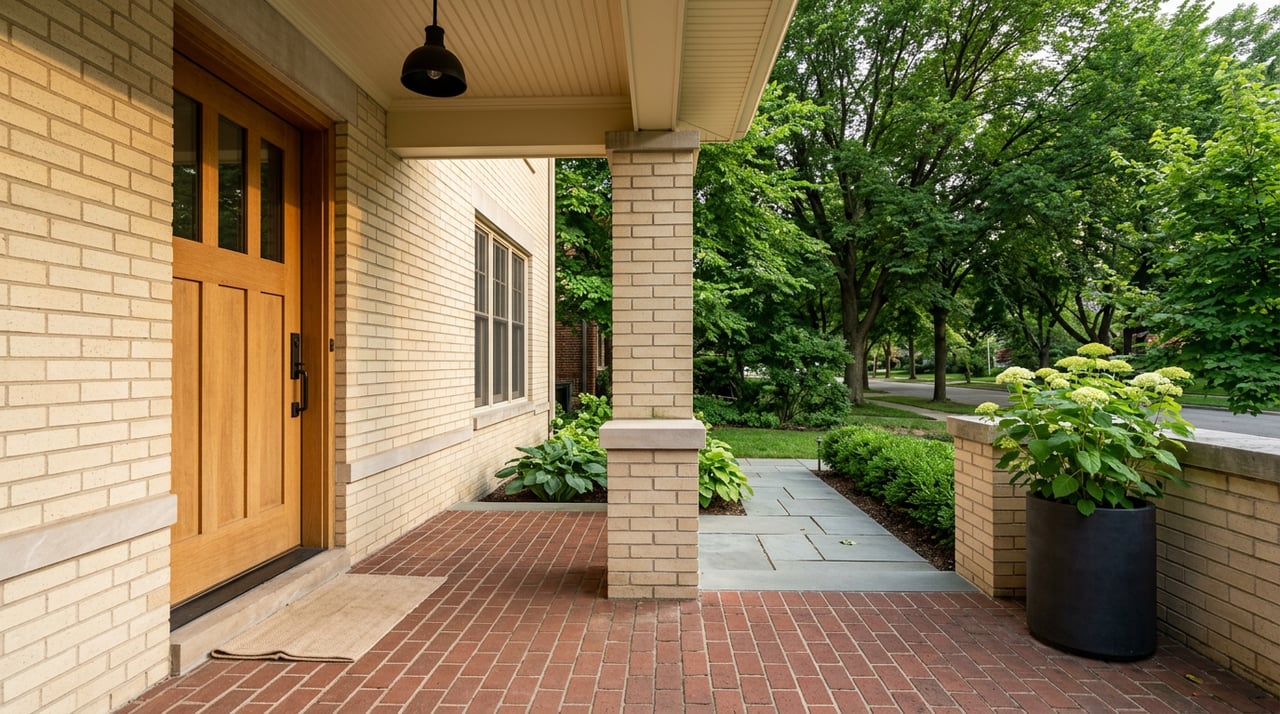
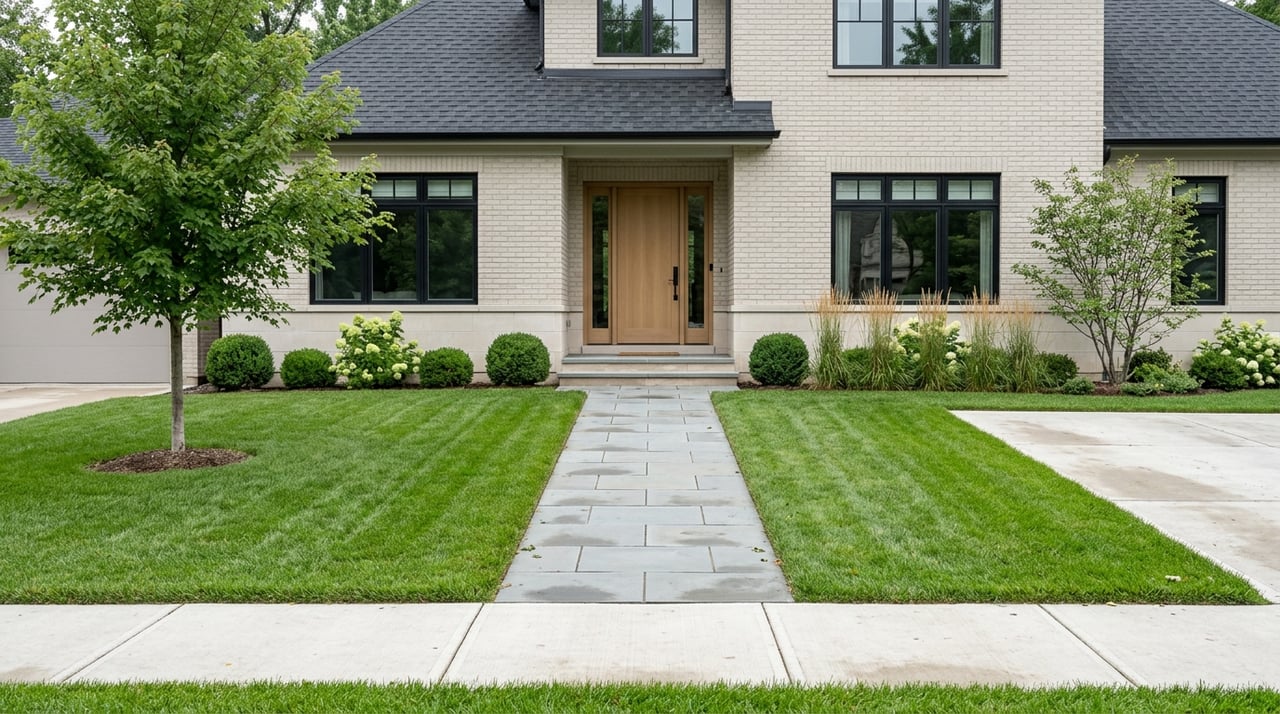
Condition is the lever you control most. Kitchens and primary bathrooms carry high impact. So do major systems like the roof, HVAC, electrical, and plumbing, especially when recent replacements come with receipts or warranties. Finished basements and usable square footage add appeal, while curb appeal sets first impressions before buyers step inside.
Significant deferred maintenance can shrink the buyer pool and lower your price. On the other hand, small cosmetic updates, staging, and a deep clean usually help you sell faster. A skilled agent will adjust comps for condition in dollars per square foot or as a lump sum, then refine estimates using feedback from showings and open houses.
Beyond the home itself, certain location traits in Lincolnshire tend to influence price. Proximity to lakes or water, pocket parks, and walking trails is often a plus. Walkability to the village center, shopping, restaurants, and the Stevenson High School campus can increase buyer interest. Lot placement also matters, including cul-de-sac versus through-street, corner lots, and topography. If a home falls within an HOA, the services and fees can help or limit the buyer pool depending on what is included.
Illinois property taxes are a real factor for buyers who calculate monthly housing costs. It helps to have your current tax bill and any exemptions ready. This does not change your sale price directly, but it does influence affordability and can affect your net proceeds and negotiation dynamics. Your agent can compare tax profiles among nearby comps to put your home’s carrying costs in context.
A Comparative Market Analysis, or CMA, is the core tool for pricing. It gathers 3 to 8 strong comps, including closed, pending, and active listings, then applies adjustments for size, condition, lot type, and amenities to build a price range. From there, your agent recommends a list price based on your goals and current demand.
Appraisals use a similar comparable approach but may apply stricter timeframes and rules. Lenders rely on the appraisal to confirm value for financing. Your list price is set to attract the market and maximize offers, while the appraisal typically confirms value once you are under contract.
Your pricing strategy should match your micro-market snapshot.
The best path is the one that aligns with your timing, your risk tolerance, and real-time data in your micro-area.
A good valuation and strategy session should give you everything you need to make a confident decision. Here is what to expect:
Gathering a few documents up front speeds the process and improves accuracy:
Focus on projects that pay off in your segment of the Lincolnshire market. Often, the best returns come from:
Exact ROI varies by project and market conditions. Your agent’s recent Lincolnshire sales and buyer feedback will guide where to invest and what to skip.
You get more than a number. You get a plan. With decades of experience across Chicago and the North Shore, a seasoned agent will price with precision, present your home at its best, and reach qualified buyers through premium marketing channels. You also get calm, no-pressure guidance and transparent communication from the first meeting through the closing table.
When you are ready, schedule a complimentary valuation and strategy session. You will leave with a clear price range, an estimated timeline, and a step-by-step plan to hit the market with confidence.
Ready to talk about your home’s value in Lincolnshire? Connect with Cornelia Matache for a complimentary valuation, a tailored pricing strategy, and expert staging support. English and Romanian language services are available.
Stay up to date on the latest real estate trends.

Reach out to explore your goals. I’m here to offer insight, professionalism, and a refined real estate experience.