What It’s Really Like To Live in Highland Park
February 19, 2026
February 19, 2026
Picture a summer night on a picnic blanket while world-class music drifts through the trees, waves roll onto the beach below the bluffs, and the train home is just a short walk away. If you are weighing a move to Chicago’s North Shore, Highland Park offers that kind of everyday ease with a rich cultural life. You also get strong local services and access to the city when you want it. This guide gives you a clear look at daily life, neighborhoods, schools, commute options, costs, and the intangibles that make Highland Park feel like home. Let’s dive in.
Set about 25 to 26 miles north of downtown Chicago, Highland Park is a lakefront suburb known for its parks, beaches, and a compact, walkable downtown. It is home to roughly 30,000 to 31,000 residents with education and household incomes well above national averages. Owner-occupied housing makes up about 84 percent of the market, which shapes the city’s services and neighborhood feel. You can confirm these indicators on the Census Bureau’s QuickFacts for Highland Park.
Highland Park’s identity blends lakefront recreation, an active arts scene anchored by the Ravinia Festival, and historic residential architecture, all within an easy commute of Chicago. You will notice tree-lined streets, well-tended parks, and a steady rhythm of community events through the seasons.
Highland Park’s parks and beaches are part of daily life. The Park District of Highland Park maintains beaches and inland parks used for everything from dog walks and paddleboarding to youth sports and fitness classes. Popular lakefront spots include Rosewood Beach, Moraine Dog Beach, and the Park Avenue boating area. Inland, places like Sunset Woods serve as a hub for playground time and casual meetups. The Park District also manages seasonal programs and lakefront passes, so check their site for current calendars and policies.
When you want a quick escape to the woods, Heller Nature Center delivers. The 97-acre preserve offers trails, environmental programs, and hands-on activities for all ages. It is a common weekend pick for a short hike, a kids’ class, or simply time outdoors without leaving town. You can view current offerings and maps on Heller’s page.
Summer in Highland Park often revolves around evenings at Ravinia Festival, the long-running outdoor venue that draws hundreds of thousands of visitors each season. Residents plan picnics on the lawn, meet friends for a weeknight concert, and adjust dinner plans around show nights. Ravinia’s schedule shapes local traffic patterns and restaurant demand during peak months, but it also brings world-class performances close to home. For dates and tickets, see the festival site.
You can handle most errands within a few walkable blocks downtown. Coffee, casual dining, independent shops, and a full-service grocery give you quick options on busy days. The Ravinia business district near the festival grounds adds an extra cluster of restaurants and cafes that come alive in summer. For larger shopping runs, regional retail hubs are a short drive away.
Just a few minutes south in Glencoe, the Chicago Botanic Garden opens more choices for classes, seasonal events, and quiet time outdoors. Many Highland Park residents visit year-round, whether for a morning walk, a family outing, or special programs.
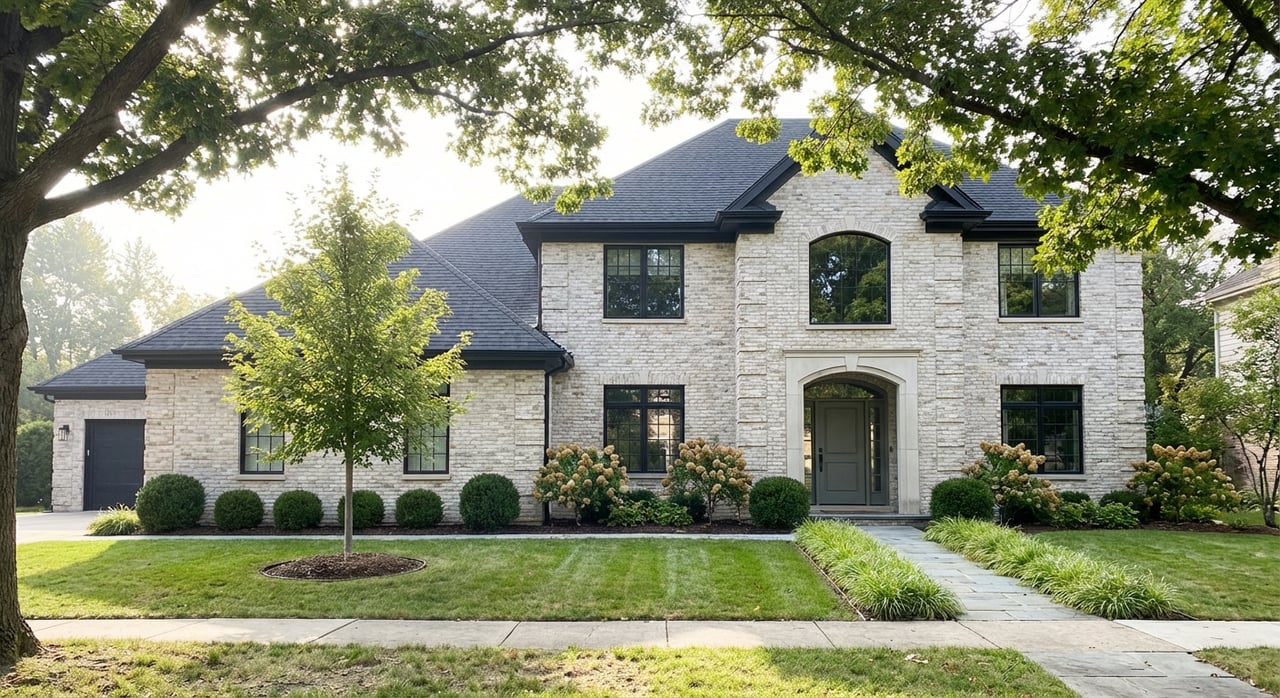
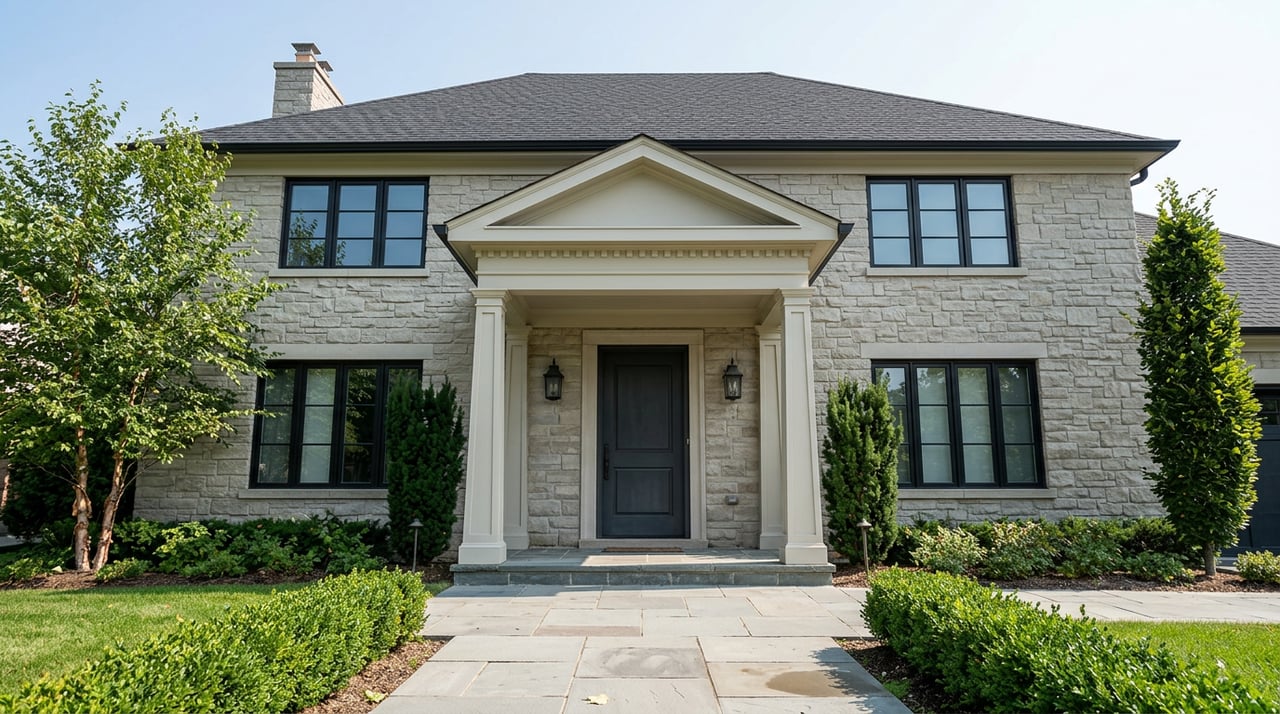
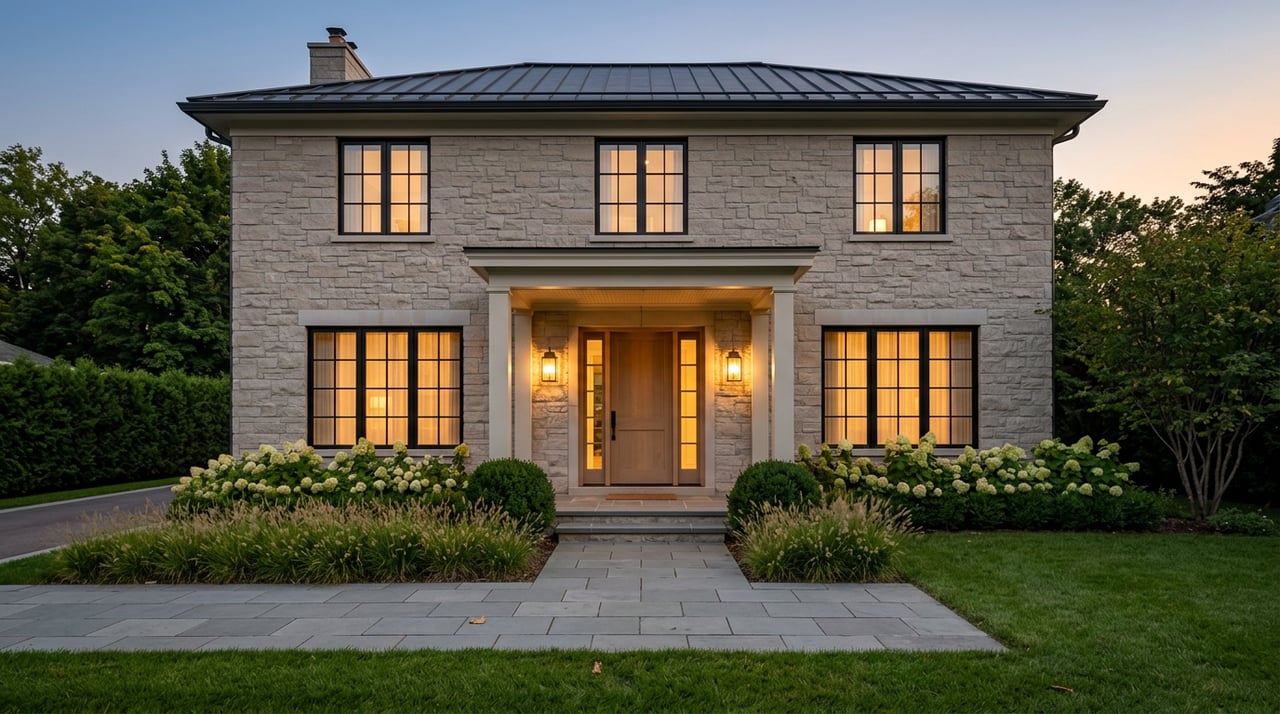
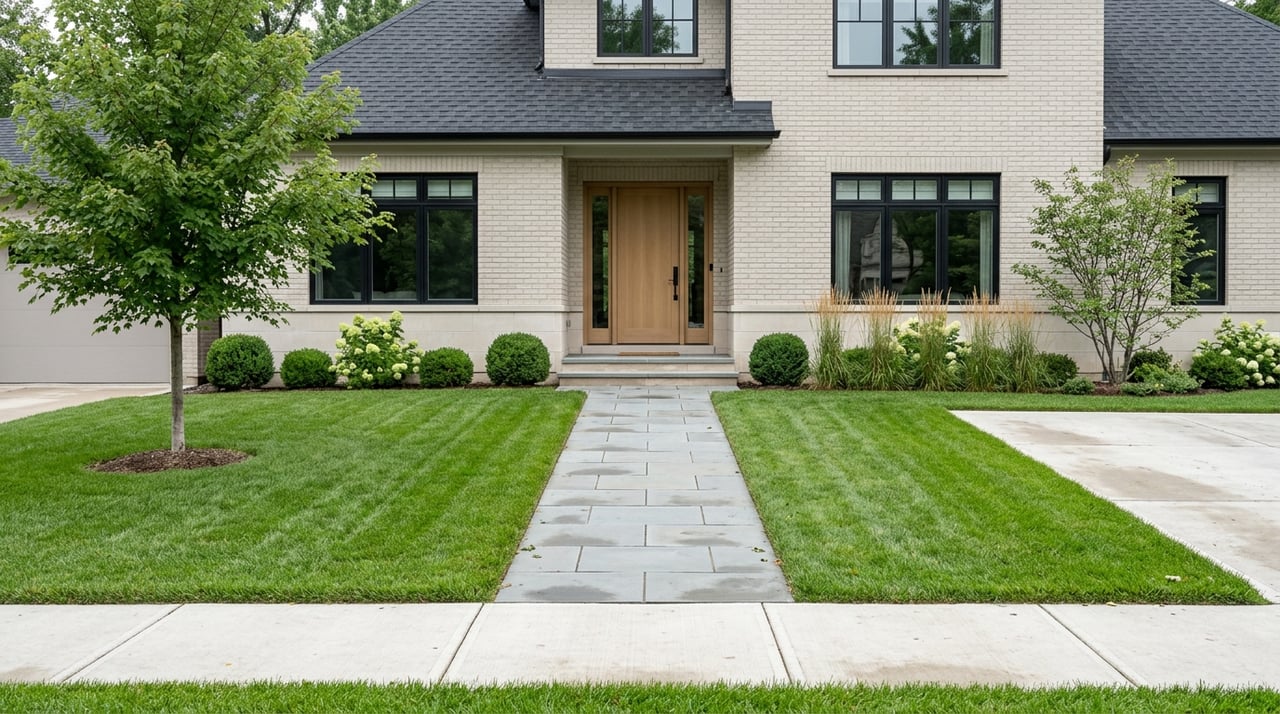
Highland Park is known for historic homes, architecturally distinct properties, and a wide range of single-family options. You will find modest mid-century houses, classic bungalows, and higher-end estates along the lakefront bluffs. Owner-occupancy is high, and lakeshore properties often command premium prices.
Here are a few neighborhood pockets you will hear about in local listings:
Other names you may see on listing maps include Knollwood, the Brier Street area, and Golden Acres. These labels help describe location and housing stock across the city. Recent market reports have placed Highland Park’s median sale and list prices in the high six-figure range. Because prices shift month to month, check the most current market snapshots before you buy or sell.
Highland Park sits on Metra’s Union Pacific North (UP-N) line, which connects downtown Chicago to Kenosha, Wisconsin. The city has multiple stations, including Ravinia, Highland Park, and Fort Sheridan. During weekday peaks, trains are frequent, with hourly or better service at other times. Many residents use Metra for downtown commutes. Depending on your station and train, travel times to the city often range from about 40 to 60 minutes. For current schedules, see the UP-N route page.
If you drive, you will use I-94 and US-41 for most trips. Commute times into the city vary by time of day and traffic, so plan some flexibility. Large events, including Ravinia concerts, can create local traffic peaks in summer. Many residents report a mean travel time to work under 30 minutes based on survey data, though individual commutes vary.
Highland Park is served by North Shore School District 112 for kindergarten through 8th grade, and Township High School District 113 for high school. Boundaries, programs, and performance data are available on the districts’ official sites, and they update these details periodically. If schools factor into your move, review current maps and offerings directly with the districts.
Highland Park Hospital is part of the regional Endeavor Health system and offers local acute care and emergency services. The system’s broader network connects residents to specialty care across the region. For the most current service lines and locations, start with the system overview.
On July 4, 2022, a mass shooting at the downtown parade deeply affected residents and shaped ongoing conversations about public safety and civic life. In the years since, the community has observed memorials, updated security planning for large events, and continued resilience work. If this context is important to your decision-making, review reliable reporting for a factual overview of what occurred and how the city has responded.
Highland Park is part of the North Shore’s upper tier for living costs. Housing, groceries, and services tend to sit above U.S. averages, which aligns with local household income and home-value patterns. You can scan summary figures for education, income, and housing tenure on the Census QuickFacts page for Highland Park. For property taxes and utility rates, refer to official Lake County and city pages since rates and levies can change each year.
You might start with a lakeside jog, then catch the UP-N from the Highland Park station while grabbing a coffee downtown. After work, dinner is an easy walk to a neighborhood restaurant. If you prefer a quiet night, Rosewood’s boardwalk is a favorite spot for an evening stroll in warm months.
Saturday could begin with a trail walk at Heller Nature Center or a beach morning. Later, the Chicago Botanic Garden offers an exhibit or class. If a concert is on your list, pack a picnic and head to Ravinia as the sun sets. Sunday often means errands downtown, a playground stop at Sunset Woods, and time to recharge at home.
If you value lake access, mature trees, and a calendar full of arts and community events, Highland Park delivers. You also get a suburban pace with practical links to the city by train and highway. Housing includes everything from mid-century homes to architecturally significant estates, and public services cover daily needs close to home. When you are ready to explore current listings or position your home for sale, reach out for trusted, no-pressure guidance.
Ready to talk next steps or get a data-driven read on value? Connect with Cornelia Matache for a complimentary consultation and pricing strategy.
Stay up to date on the latest real estate trends.

Reach out to explore your goals. I’m here to offer insight, professionalism, and a refined real estate experience.