How To Strategically Sell a Luxury Home in Lake Forest
February 5, 2026
February 5, 2026
Thinking about selling your luxury home in Lake Forest but unsure where to start? You want top dollar, privacy, and a smooth process without guesswork. In this guide, you’ll learn how to prepare, price, market, and time your sale so you attract serious buyers and protect your investment. You’ll also get a practical timeline and checklist you can use today. Let’s dive in.
Lake Forest’s luxury market is unique. “Luxury” typically means the top 5 to 10 percent of listings by price in the local market, so you should verify your price segment with a recent MLS comparative market analysis. Treat national price cutoffs as a rough reference, not the rule.
Your likely buyer pools include affluent Chicago professionals, local movers upgrading or downsizing within northern Illinois, and out‑of‑state relocatees who value the lakefront lifestyle. Some Wisconsin buyers also consider Lake Forest due to proximity to the state line. Each group expects a polished property and clear information.
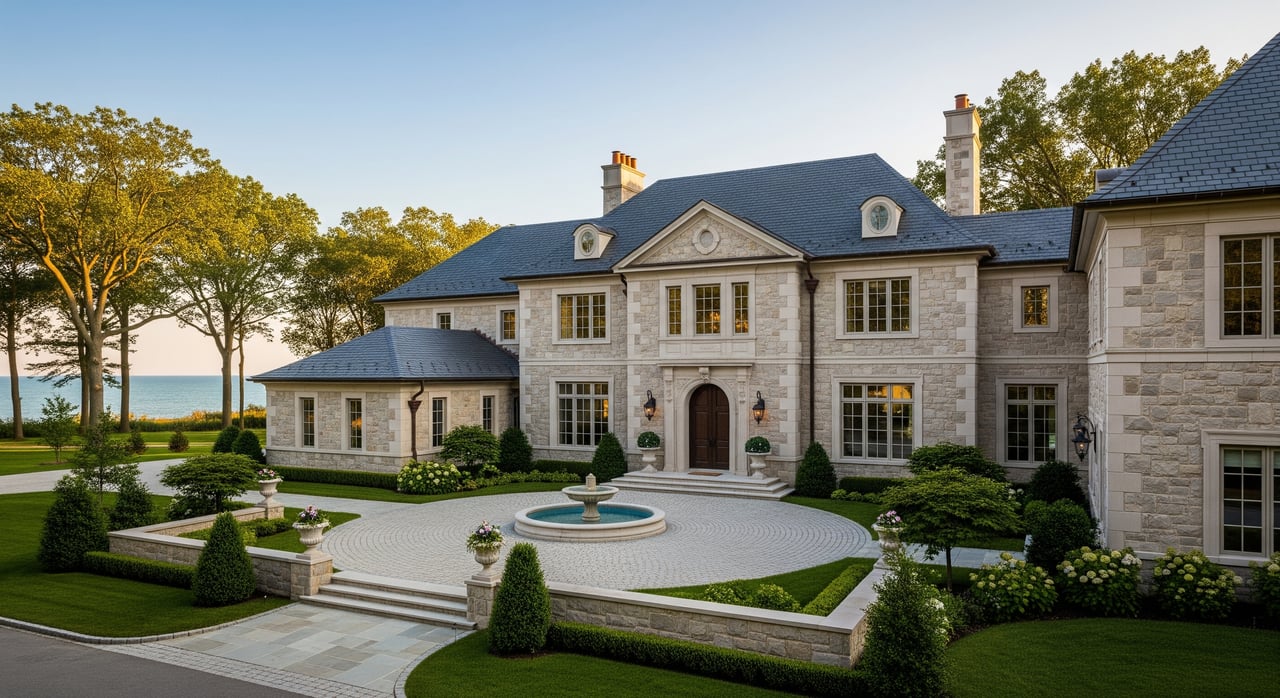
Location features matter. Lakefront and bluff homes carry premium value, but buyers will look for shoreline access, bluff stability, and documentation of any improvements or permits. Access to Metra’s Union Pacific North line is also a selling point for buyers who want quick trips to downtown Chicago. Recent market cycles show more negotiation and longer timelines than the 2020 to 2021 peak, so precise preparation and pricing are essential.
Work with your agent to build a hyperlocal CMA. Compare properties by micro‑location, lot size, lake access, outdoor spaces, and architectural significance. Price per square foot is useful context, but it should not drive your entire strategy at the high end.
Expect interest from Chicago‑based executives, local North Shore households making lifestyle moves, and selective out‑of‑state buyers. Each segment values different features, so tailor your messaging around lake views, outdoor living, entertaining spaces, and convenient transit as appropriate.
If you have lakefront or bluff features, prepare clear documentation on maintenance, stabilization, and any permits. If you are inland, highlight privacy, landscaping, and lifestyle amenities. For commuters, spotlight proximity to Metra and key corridors.
Luxury buyers expect move‑in readiness. Focus first on structural and mechanical items, then polish the presentation to create an emotional response. A thoughtful sequence will help you avoid price cuts later.
Address roof, HVAC, electrical, plumbing, and foundation concerns early. For waterfront homes, review seawalls, riprap, drainage, docks, and erosion control. If your home is historically significant, confirm that past renovations meet local preservation standards and gather permit histories.
Order a general home inspection, plus HVAC, chimney, and septic or sewer checks. Waterfront or bluff properties benefit from geotechnical reviews and confirmation of floodplain status. Pre‑inspections help you resolve issues before showings and reduce surprise negotiations.
High‑end listings require professional photography, twilight images, drone visuals where appropriate, floor plans, and a 3D or video tour. Hire a stager with luxury experience who understands Lake Michigan homes. Full furniture staging usually delivers stronger results than light staging in vacant properties. If you use virtual staging, label it clearly.
Set clear showing protocols. Consider private showings with ID verification and broker‑only previews. Limit public open houses if privacy is a priority. Align your lockbox and access plan with your security needs.
Pricing drives traffic and leverage. Use a precise CMA, align with buyer search behavior, and choose the exposure strategy that matches your goals for price, speed, and privacy.
Segment comps by neighborhood type, water proximity, lot size, and unique features like guest suites or finished lower levels. Review the past 3 to 6 months of closed sales along with active competition. Adjust for condition and recent upgrades.
Pocket or limited off‑market exposure can preserve privacy and test demand within a broker network, but it usually reduces the buyer pool. For most sellers seeking top price, full MLS exposure with premium media and luxury syndication creates broader competition.
Spring is popular in Lake Forest, especially March through June, but luxury buyers purchase year‑round. If you want a spring launch, finish repairs and staging 6 to 10 weeks beforehand so your media and marketing are flawless on day one.
Require proof of funds or pre‑qualification for showings as needed, especially at higher price points. Be ready to negotiate closing dates, inspection timelines, and financing contingencies. If you receive offers near list price, review appraisal language with your agent and attorney.
Your marketing should reach Chicago’s executive hubs, local North Shore movers, and qualified out‑of‑area buyers, while protecting your privacy. Lead with premium visuals and targeted outreach.
Invest in high‑resolution photography, drone imagery, twilight shoots, and a well‑edited lifestyle video. Include a floor plan and a 3D tour to help out‑of‑state buyers visualize the layout. Curate landscaping and exterior lighting for evening photos and select showings.
Use geo‑targeted digital campaigns in high‑income Chicago ZIP codes and relevant metro areas, plus retargeting to stay top of mind. Pair this with luxury print materials and private mailers to top brokers and qualified households. Broker opens and invitation‑only previews can accelerate word of mouth.
Consider a soft launch to your agent’s broker network and past‑client database, followed by a full MLS debut with all media assets. A staged rollout can build anticipation without compromising exposure.
Monitor showings, buyer feedback, website traffic, and inquiry sources. After the first two to three weeks, refine pricing, positioning, or media based on where interest is strongest.
Discuss capital gains and the primary residence exclusion with your CPA or attorney, especially for higher‑value sales or second homes. If you are selling an investment property, ask about 1031 exchanges and timing requirements. Follow Illinois disclosure rules, including any known shoreline, bluff, environmental, or structural items, and keep your permit history organized.
You do not need to navigate this alone. With decades of North Shore experience, a pricing strategy grounded in data, and curated luxury marketing, you can sell with confidence. If you want a calm, consultative approach with premium exposure and bilingual support in English and Romanian, connect with Cornelia for a tailored plan.
Ready to talk strategy for your Lake Forest home? Partner with Cornelia Matache for your complimentary valuation and expert consultation.
Stay up to date on the latest real estate trends.

Reach out to explore your goals. I’m here to offer insight, professionalism, and a refined real estate experience.