How To Buy a Home in Norwood Park
December 18, 2025
December 18, 2025
Ready to buy in Norwood Park but not sure where to start? You are not alone. Buyers love the neighborhood’s classic homes, larger lots, and transit options, yet the Chicago contract process can feel complex the first time you see it. In this guide, you will get a clear, step‑by‑step path tailored to Norwood Park, including local timelines, earnest money norms, and the inspections older Chicago homes often need. Let’s dive in.
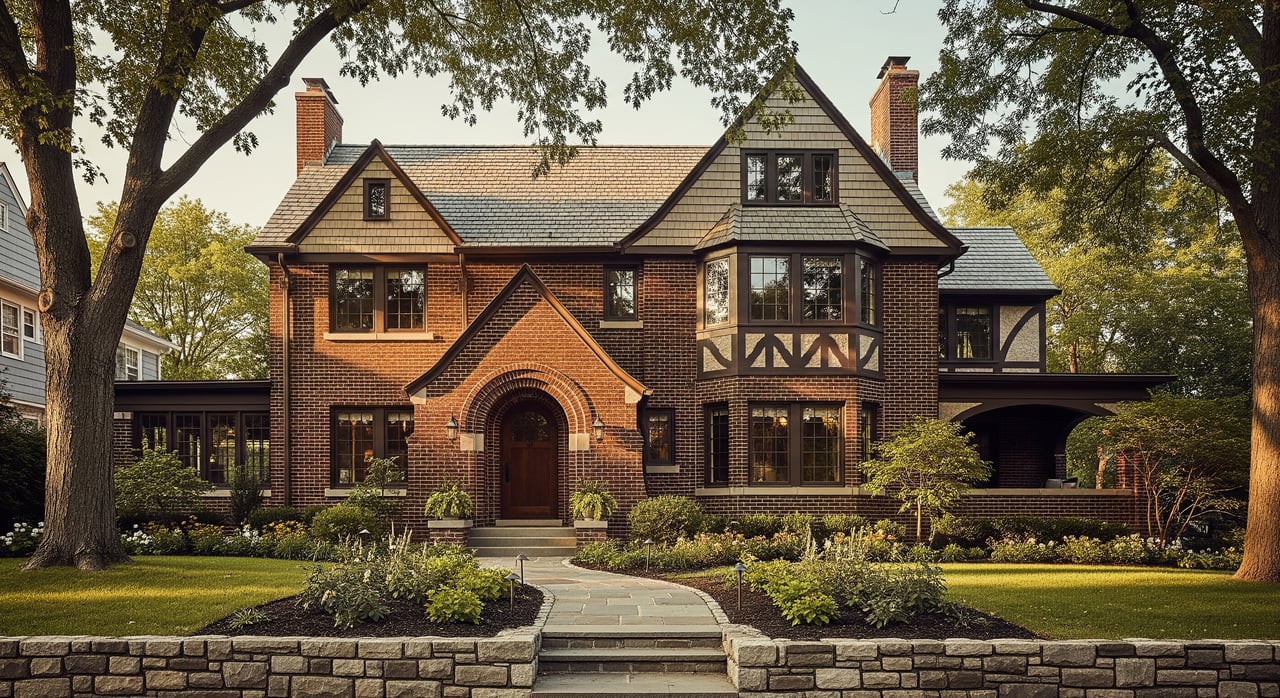
Norwood Park sits on Chicago’s Northwest Side and is known for quiet streets, single‑family homes, and historic bungalows. You often find more yard space and garages compared with denser city neighborhoods. There are also some two‑flats and small multi‑unit buildings in parts of the area. Buyers appreciate the neighborhood feel along with parks and small commercial corridors.
Commuting is flexible. You have Metra access on the UP‑NW line nearby and CTA bus service for local travel. Parking tends to be more available than in central neighborhoods, which is a common draw when you compare options across the Northwest Side.
Start with a written mortgage pre‑approval, not a quick pre‑qualification. A true pre‑approval clarifies your price range and strengthens your offer when you find the right home. Typical down payment paths include conventional loans at about 3 to 20 percent, FHA at 3.5 percent minimum, and VA at 0 percent for eligible buyers. Discuss loan type, closing cost estimates, and time to loan commitment with your lender upfront.
Work with an agent who knows Norwood Park and the surrounding Northwest Side. A local expert will help you read the market, compare recent sales, and understand seller expectations around timelines, contingencies, and showings. They will also set realistic offer strategies based on current inventory and how fast homes are moving.
Private showings are common for single‑family homes, with about 15 to 45 minutes per tour depending on house size and seller rules. Open houses happen but may be less frequent when inventory is tight. Bring a short checklist for each tour and note roof age, windows, furnace and AC dates, visible foundation cracks, and recent updates.
Your agent will prepare an Illinois REALTORS or Chicago Association of REALTORS residential contract. You will choose price, earnest money amount, inspection and financing timelines, and a preferred closing date. Ask how your offer compares with others on similar homes so you can tailor terms without adding risk you do not intend to take.
Earnest money shows you are serious. In the Chicago area, buyers often offer about 1 to 3 percent of the purchase price in balanced markets. In competitive situations some buyers go 3 to 5 percent or more. Earnest money is usually due to the title or escrow company shortly after acceptance, commonly within 48 to 72 hours. It is held in escrow and credited to you at closing under the contract terms.
Inspection periods in Chicago are often 7 to 10 days. Schedule the general inspection quickly so you have time for any follow‑ups. Older Norwood Park homes may benefit from added checks, such as a sewer scope, pest inspection, radon test, electrical review for older wiring, and targeted roof, chimney, or HVAC evaluations. You can request repairs or credits, or cancel under the inspection contingency if allowed by the contract.
After contract execution, your lender orders the appraisal. Loan commitment periods commonly run 21 to 45 days, depending on loan type and how fast documents are supplied. Keep your paperwork moving so you meet your financing deadlines. If the appraisal comes in lower than the price and you have an appraisal contingency, you will have options to renegotiate or exit under the contract terms.
The title company will issue a title commitment and check for liens. Review Cook County property tax history and current bills, including any exemptions you may qualify for once you occupy the home. For homes built before 1978, expect lead‑based paint disclosures. It is also wise to verify City of Chicago building permits and that any additions or major updates were permitted and closed.
Chicago closings typically happen about 30 to 45 days from contract acceptance, although speed can vary with lender timelines and negotiation. You will bring funds for the down payment and closing costs via wire or certified funds as instructed by the title company. Do your final walkthrough just before closing to confirm the home’s condition and any agreed repairs.
Earnest money is a deposit you make after the seller accepts your offer. It is applied to your purchase at closing.
Be clear about the amount, due dates, and who holds the funds in your offer. Your agent can help you balance competitiveness with protection.
Contingencies outline what must happen for your purchase to proceed. Common types in Chicago include:
Shorter contingency windows can make your offer more attractive, but do not shorten them below what your lender and inspectors can support. Waiving contingencies may increase risk, so consider alternatives like stronger earnest money or flexible closing dates.
Many homes in Norwood Park are older, with period details buyers love. This makes targeted inspections important.
The inspection contingency allows you to negotiate repairs or credits. Keep your window realistic, often 7 to 10 days, so you can get specialists on site if needed.
Title companies check for liens, judgments, and restrictions that affect ownership. You will also review Cook County property tax history and how exemptions work once you live in the home. For city transactions, transfer taxes apply at the city, county, and state level. Who pays specific taxes is negotiated and can vary by current market norms, so confirm with the title company.
Buyer closing costs often range about 2 to 5 percent of the purchase price. This can include lender fees, title charges, escrow, and prepaid items such as property taxes and insurance. Ask your lender and title company for a detailed estimate early in the process.
These are typical ranges that move with the market. Align your contract dates with your lender and inspector availability.
Buyers looking at the Northwest Side often compare Norwood Park with Jefferson Park, Portage Park, Forest Glen, and Edison Park. Focus on the factors that matter most to you:
Ask your agent for recent comparable sales and active inventory from the last 3 to 6 months. A side‑by‑side comparison helps you decide where your budget stretches the farthest.
Buying a home in Norwood Park is straightforward when you understand Chicago’s timelines, earnest money norms, and the inspections older homes may need. With a strong pre‑approval, a local agent, and a clear plan for contingencies, you can move from offer to closing with confidence.
If you are exploring Norwood Park or nearby Northwest Side neighborhoods, reach out for calm, expert guidance. Connect with Cornelia Matache for a no‑pressure consultation in English or Romanian and a plan tailored to your goals.
Stay up to date on the latest real estate trends.
Reach out to explore your goals. I’m here to offer insight, professionalism, and a refined real estate experience.