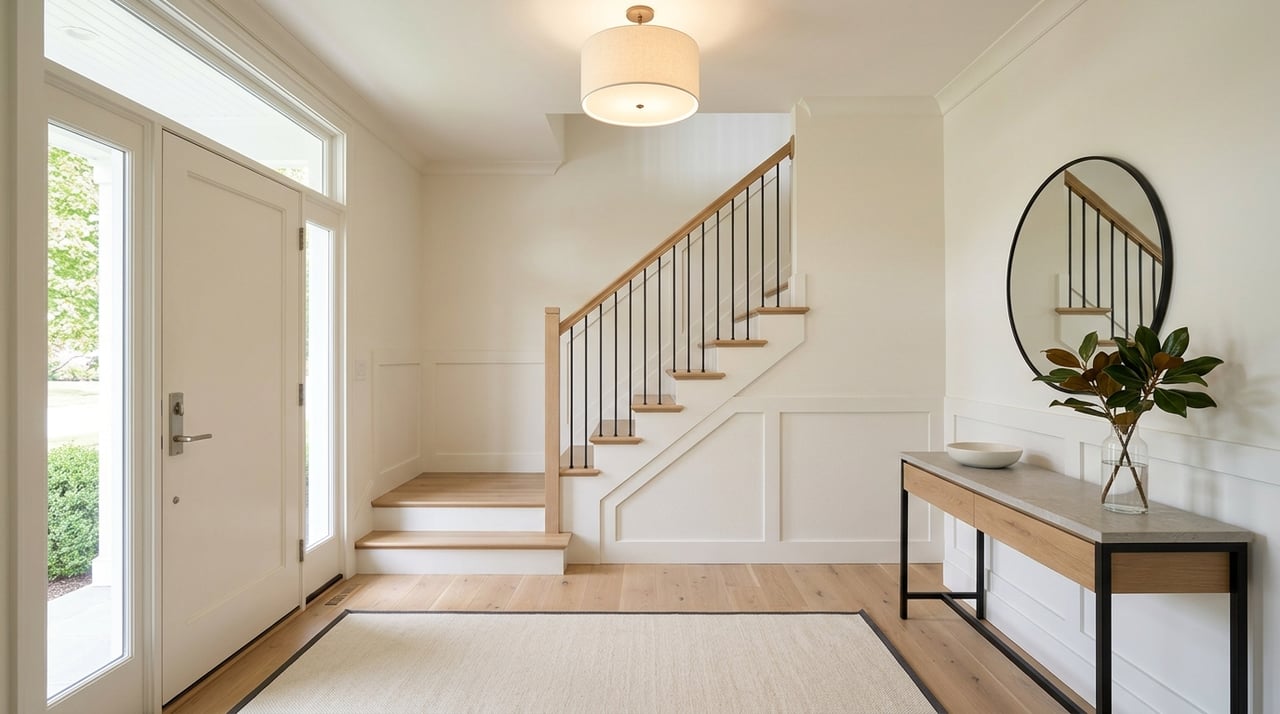
Park Ridge Home Staging Tips for a More Successful Sale
May 7, 2026
May 7, 2026
Selling in Park Ridge is rarely about doing everything. In a market filled with well-kept older homes, the sellers who stand out are usually the ones who make smart, focused updates that help buyers feel comfortable from the moment they walk in. If you are planning to list in the next 3 to 12 months, a clear prep plan can help you protect your price, reduce stress, and avoid last-minute surprises. Let’s dive in.
Park Ridge is a mature, mostly owner-occupied community with a housing stock that is largely detached single-family homes. Many local homes were built between 1940 and 1969, and the median year built is 1960, which means buyers often compare condition, maintenance, and presentation very closely.
That context matters when you sell. MRED’s trailing 12-month data for Park Ridge shows a median sales price of $629,000, average market time of 47 days, and 98.8% of original list price received. Those numbers suggest buyers are active, but they are still paying attention to condition and pricing.
Because Park Ridge is also largely built out, with very little vacant land, many buyers are choosing between existing homes rather than new construction. That makes move-in readiness, visible upkeep, and clean presentation especially important.
If you know you want to sell within the next year, your first step is not buying décor or planning a major remodel. Your first step is identifying what needs repair, what needs refreshing, and what buyers will notice right away.
A simple timeline can keep you from overspending and help you focus on work that actually supports your sale.
Use this stage to walk through your home with fresh eyes. Make a list of deferred maintenance, worn finishes, dated paint colors, and any spaces that feel crowded or hard to understand.
This is also the right time to gather bids for repairs and determine which projects are worth doing before listing. In Park Ridge, if work involves structural changes, plumbing, fences, or exterior updates that may require approval, check city requirements early because permits may be required to repair, improve, alter, or demolish buildings, as well as for plumbing installations or alterations and fences.
This is the ideal window for practical improvements that help your home show better without over-improving for the market. Focus on paint touch-ups, minor repairs, carpet cleaning, grout refreshes, outdoor cleanup, and decluttering.
These are the kinds of updates that remove friction for buyers. In a community with many established homes, buyers often respond better to a property that feels clean, calm, and cared for than to a seller who spent heavily on a remodel that may not match neighborhood expectations.
This final stretch is about presentation. Finish staging, schedule professional photography and video, and complete a full deep clean.
This is also when you want closets edited, furniture adjusted, and every major room looking bright and easy to understand in photos. By this point, the goal is no longer improvement. The goal is making your home easy for buyers to imagine as their own.
In Park Ridge, the best pre-sale updates are often the least dramatic ones. Older homes can absolutely shine, but buyers tend to notice signs of neglect before they notice expensive design choices.
That is why the highest-impact prep work usually focuses on visible maintenance and presentation rather than major remodeling.
Minor issues can make buyers wonder what else has been overlooked. Tighten loose hardware, patch wall blemishes, touch up paint, replace burned-out bulbs, freshen caulk or grout where needed, and clean or stretch carpets if they show wear.
These tasks may sound small, but together they create a stronger impression of care. In a price-sensitive market, that can help support both showing activity and buyer confidence.
You do not need to repaint every room. But if you have bold colors, scuffed walls, or rooms that feel dark, neutral paint can help the home feel brighter and easier to personalize.
The goal is not to make the home bland. The goal is to remove distractions so buyers focus on space, light, and layout.
One of the most effective changes is also one of the simplest. Remove bulky furniture, pack away personal collections, thin out bookshelves, and keep surfaces more open.
NAR guidance emphasizes decluttering as a core staging step, and that matters because buyers often come in with a clear picture of the kind of home they want. The easier it is for them to picture their own life in your space, the better.
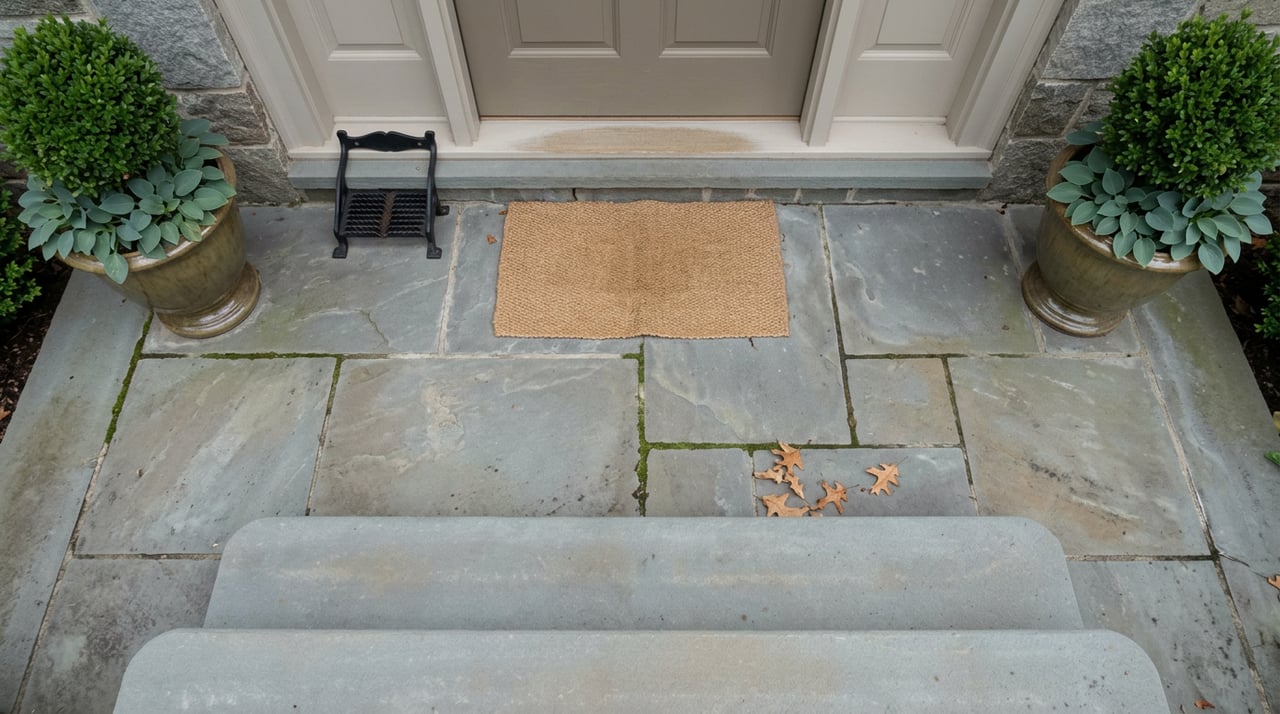
Fresh towels, crisp bedding, a clean doormat, and a tidy entry can make a noticeable difference. Simple landscaping and a few potted plants can also improve first impressions without a large investment.
These finishing touches help a listing feel polished and cared for. They are especially useful when buyers are scrolling quickly through online photos and deciding which homes to visit.
Many sellers hear the word “staging” and assume it means renting a truckload of furniture or spending thousands of dollars. In reality, staging is often about editing, styling, and making each room read clearly.
That approach fits Park Ridge well, where buyers are often evaluating practical livability as much as style.
According to NAR’s 2025 staging data, the most commonly staged rooms are the living room, primary bedroom, and dining room. If you are deciding where to spend time and money first, start there.
These are the spaces where buyers often form their emotional impression of the home. If those rooms feel balanced, bright, and easy to use, the entire property tends to show better.
You do not need an all-or-nothing plan. Depending on the home, it may make sense to use a consultation, partial staging, or targeted staging for vacant or awkward spaces.
NAR notes that staging services can be tailored to budget, with median reported spends of $600 for a staging service and $400 when an agent personally staged. The right level depends on your home’s condition, layout, and how much help it needs to photograph well.
Staging matters, but photography may matter even more. NAR research shows photos are especially important to sellers’ clients, while virtual staging tends to be less important.
That means your prep work should support the camera. Clean sightlines, open walkways, edited shelves, and bright rooms often do more for your listing than elaborate styling.
Most buyers do not begin their search with a blank slate. Many already have ideas about where they want to live and what kind of home they want, so your job is to make your property feel welcoming and easy to understand.
That starts before they ever open the front door.
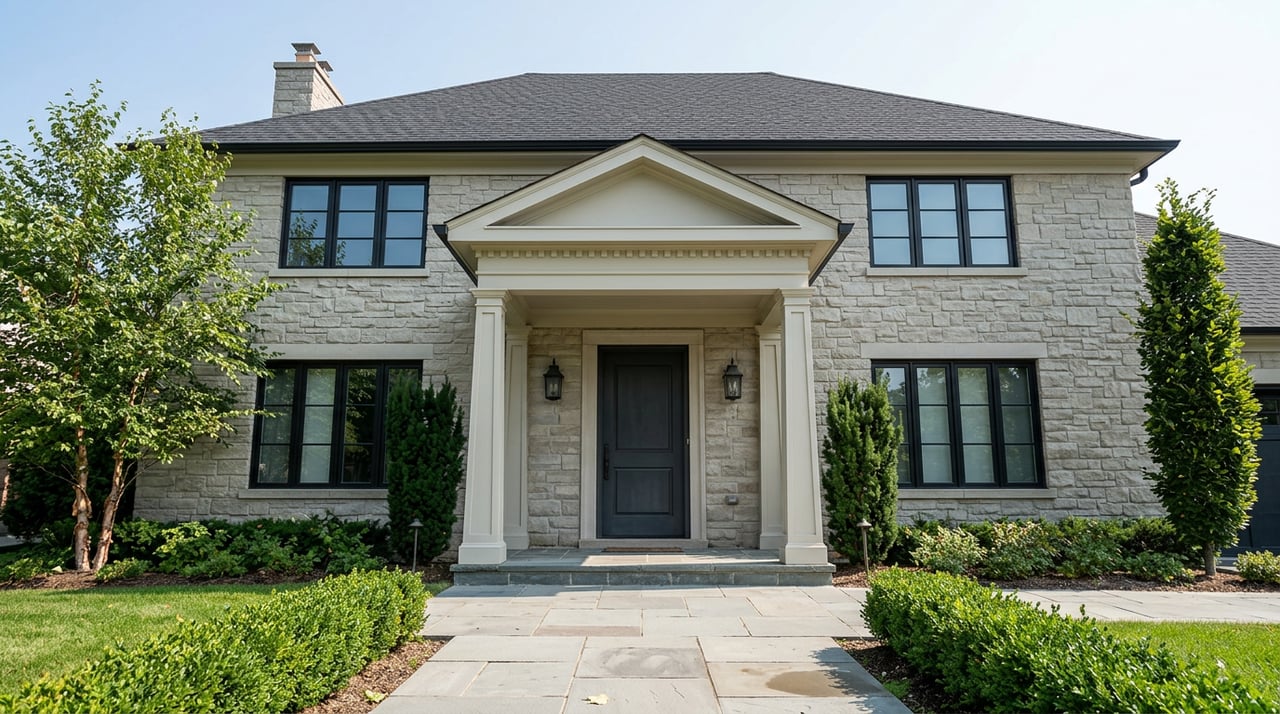
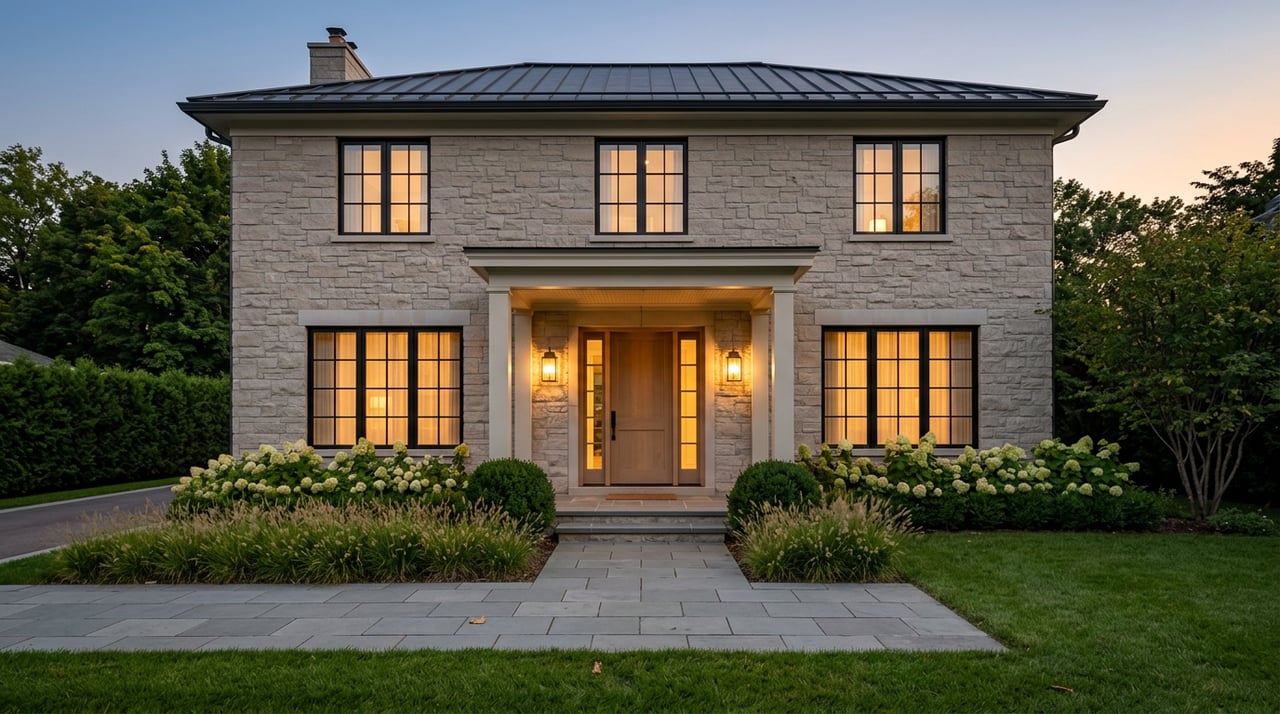
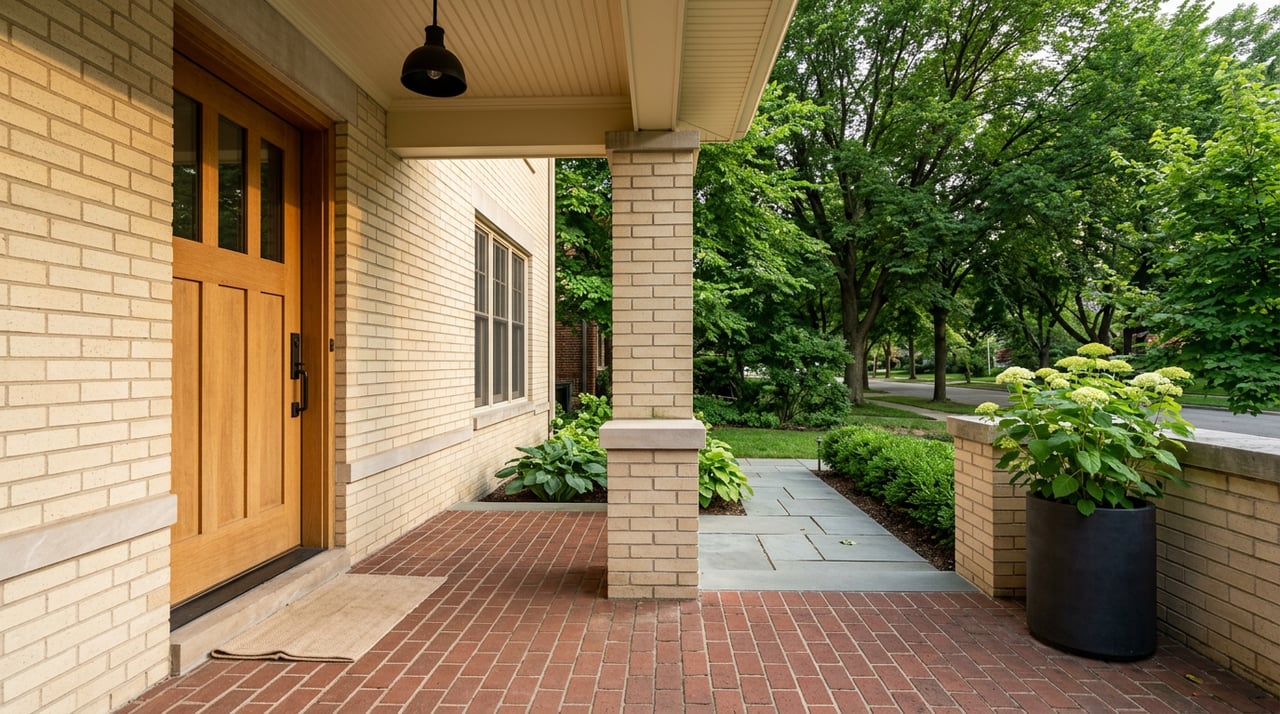
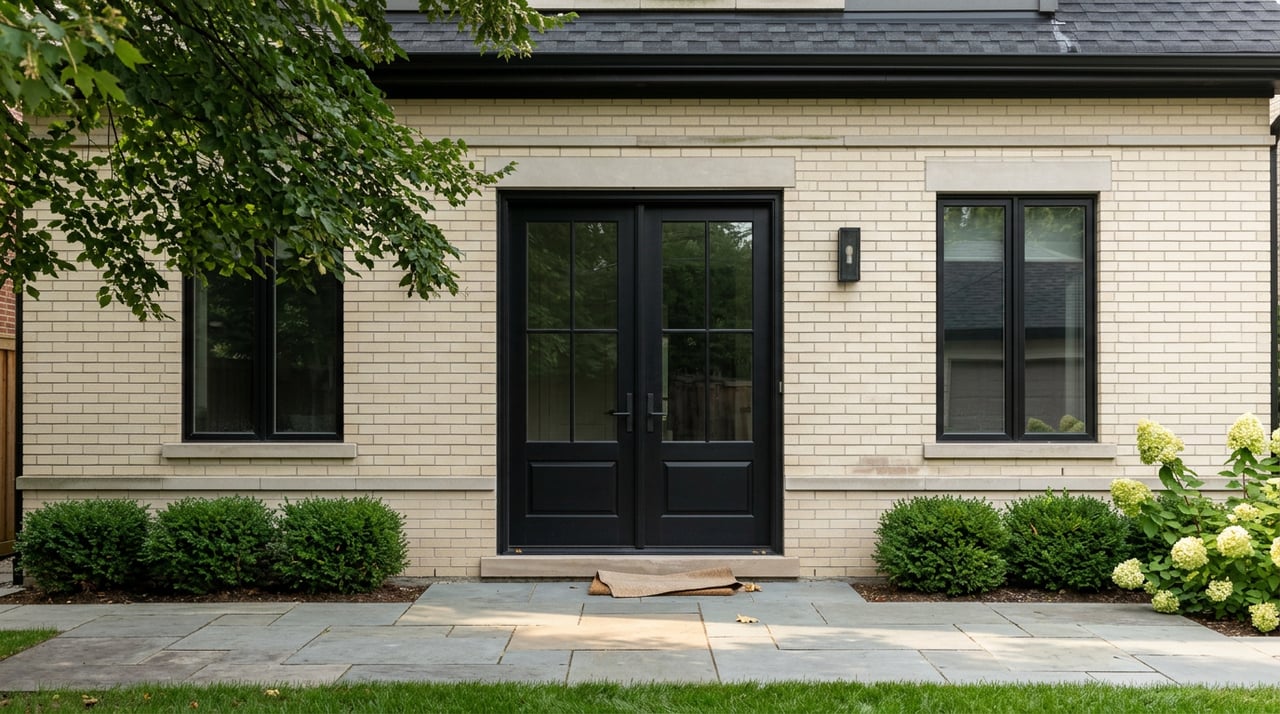
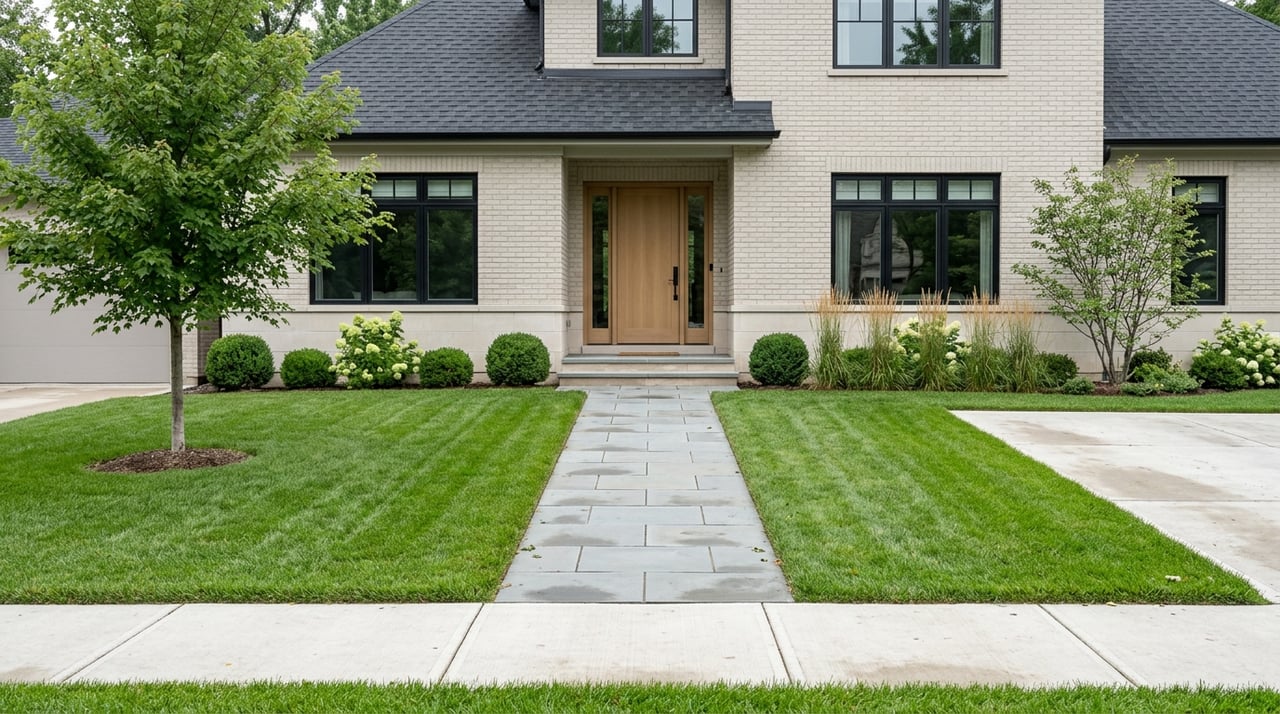
A neat yard, trimmed landscaping, swept walkways, and a clean front entry help buyers feel positive before a showing begins. In a community where commute convenience and move-in readiness are part of the appeal, this kind of polish matters.
You do not need a full landscape redesign. You just want the exterior to signal that the home has been maintained.
Overfilled closets suggest the home lacks storage, even when that is not true. Edit clothing, shoes, coats, and household overflow so closets look no more than about half to two-thirds full.
The same rule applies to pantries, linen cabinets, and mudroom storage. Buyers are not just seeing your belongings. They are measuring how the home might work for them.
NAR’s seller-prep research lists removing pets during showings among the most common recommendations. Even buyers who like animals can get distracted by pet odors, noise, or evidence of wear.
If possible, plan for pets to be out of the house during showings and keep pet items tucked away for photos and tours.
Because many Park Ridge homes were built before 1978, sellers should be thoughtful about any prep work that disturbs older painted surfaces. If a project involves sanding, scraping, or repainting older coatings, lead-safe practices may apply.
This is one reason to plan ahead instead of rushing cosmetic work right before listing. The earlier you identify projects, the easier it is to handle them properly.
If you are considering repairs or upgrades beyond simple cosmetic touch-ups, review local permit requirements before work begins. The City of Park Ridge states that building permits are required for work to repair, improve, alter, or demolish buildings, and permits are also required for plumbing installations or alterations and fences.
Even if a project seems straightforward, it is better to verify requirements early than face delays later when you are preparing to list.
Illinois sellers must provide the Residential Real Property Disclosure Report before contract signing and supplement it before closing if needed. For most pre-1978 homes, lead disclosure requirements also apply before a sale contract is signed.
Preparing these items in advance can make your listing process smoother. It also helps reduce stress once showings begin and buyer interest picks up.
In Park Ridge, successful home-sale prep is usually not about chasing trends or over-renovating. It is about presenting an older or established home in its best light, addressing visible maintenance, and creating a calm, photo-ready space that buyers can connect with quickly.
With thoughtful planning, targeted staging, and disciplined pricing and presentation, you can enter the market with more confidence and a stronger strategy. If you are thinking about selling and want clear, no-pressure guidance on what to do first, reach out to Cornelia Matache for a complimentary home valuation and expert consultation.
Stay up to date on the latest real estate trends.

Reach out to explore your goals. I’m here to offer insight, professionalism, and a refined real estate experience.