Living Near Lake Wilmette: What to Know First
June 18, 2026
June 18, 2026
If you picture lakefront living as a postcard view and little else, Wilmette may surprise you. Living near the lake here feels woven into daily life, with beaches, trails, recreation, and village routines all closely tied to the shoreline. If you are wondering what that lifestyle really looks like, this guide will walk you through the atmosphere, conveniences, and practical trade-offs so you can picture it more clearly. Let’s dive in.
In Wilmette, the lakefront is not a distant attraction that you visit once in a while. It is part of the village’s identity, alongside its historic character and village center. Local planning and preservation materials describe Wilmette as a place shaped by Lake Michigan, established residential streets, and a small-town feel.
That is part of what makes living near the lake in Wilmette feel distinct. You are not just buying proximity to water. You are stepping into a setting where the shoreline, parks, and daily routines are all part of how the community functions.
Gillson Park is the center of Wilmette’s lakefront experience. The Wilmette Park District maintains this roughly 60-acre lakefront park, which includes about 2.5 miles of Lake Michigan shoreline. It is also listed on the National Register of Historic Places.
For many residents, this is what makes the area feel livable rather than simply scenic. Gillson Park includes two swimming beaches, a sailing beach, a kayak and SUP launch area, picnic areas, lighted tennis courts, a fitness course, a tot lot, Wallace Bowl outdoor theater space, and a seasonal lighted ice rink.
That range of amenities supports more than just beach days. It creates a rhythm where you might start your morning with a walk, spend part of the afternoon on the water, and return later for a concert or community event.
During the warmer months, the lakefront becomes a natural backdrop for everyday activity. Swimming, sailing, kayaking, stand-up paddleboarding, biking, volleyball, and picnics all become part of the seasonal routine.
Wilmette also layers in nearby attractions that complement lake living. The village highlights the Saturday French Market near the Metra station, and Wallace Bowl hosts outdoor community programming such as band concerts. That means a lakefront day can easily connect with errands, dining, or time downtown.
Lake life in Wilmette is not only active and social. Elmwood Dunes Preserve adds a quieter environmental dimension, with restored bluff and dune habitat, migratory bird habitat, and protected natural areas.
This gives the shoreline a more layered feel. You get recreation and open views, but you also see that the lakefront is actively managed and cared for as a natural resource.
One of the most important things to understand is that Wilmette’s lakefront is highly usable, but it is also managed. Swimming is permitted from Memorial Day through Labor Day, with posted swim hours of 10 a.m. to 8 p.m. After 8 p.m. swimming is not allowed, and after Labor Day swimming is prohibited.
Gillson Park itself is open from 6 a.m. to 10:30 p.m. That gives residents plenty of time to enjoy the setting, but it also reinforces that this is not an unregulated shoreline where access is unlimited at all hours.
Entry to the swim beach requires either a season pass or a daily pass. Parking and beach purchases are separate, and daily passes are bought on-site. The Park District accepts only credit cards or Apple Pay.
There are also practical rules that shape the experience. Dogs are allowed in Gillson Park on leash, while the off-leash Dog Beach is a separate amenity with season passes only. Picnic areas require reservations, and personal grills are not allowed anywhere on Gillson property.
For buyers considering a home near the lake, these details matter. The lifestyle is rich in amenities, but it works best when you understand how access, timing, and seasonal use are organized.
Lakefront living also means accepting a little unpredictability. Beaches may close because of severe weather, rip currents, or bacteria, and the water is cleared for at least 30 minutes when lightning or thunder is detected.
That is not a drawback unique to Wilmette, but it is part of the reality of daily lake access. Some days are perfect for the beach, and some days call for flexibility.
A common assumption is that living near the lake is only about beauty and recreation. In reality, shoreline communities also deal with erosion, stabilization work, and access improvements.
Wilmette offers a clear example. Langdon Beach closed in 2020 because of significant erosion, and the Park District has been working on shoreline stabilization and a permanent access path. That tells you something important about the local lifestyle: the lakefront is a treasured asset, but it is also maintenance-intensive.
For many buyers, this does not lessen the appeal. It simply creates a more realistic picture of what living near the lake actually involves.
Wilmette’s housing stock is dominated by single-family homes, which make up about 79% of the village’s housing units. About 89% of homes are owner-occupied, and village materials note that many homeowner households live in larger four- or five-bedroom homes.
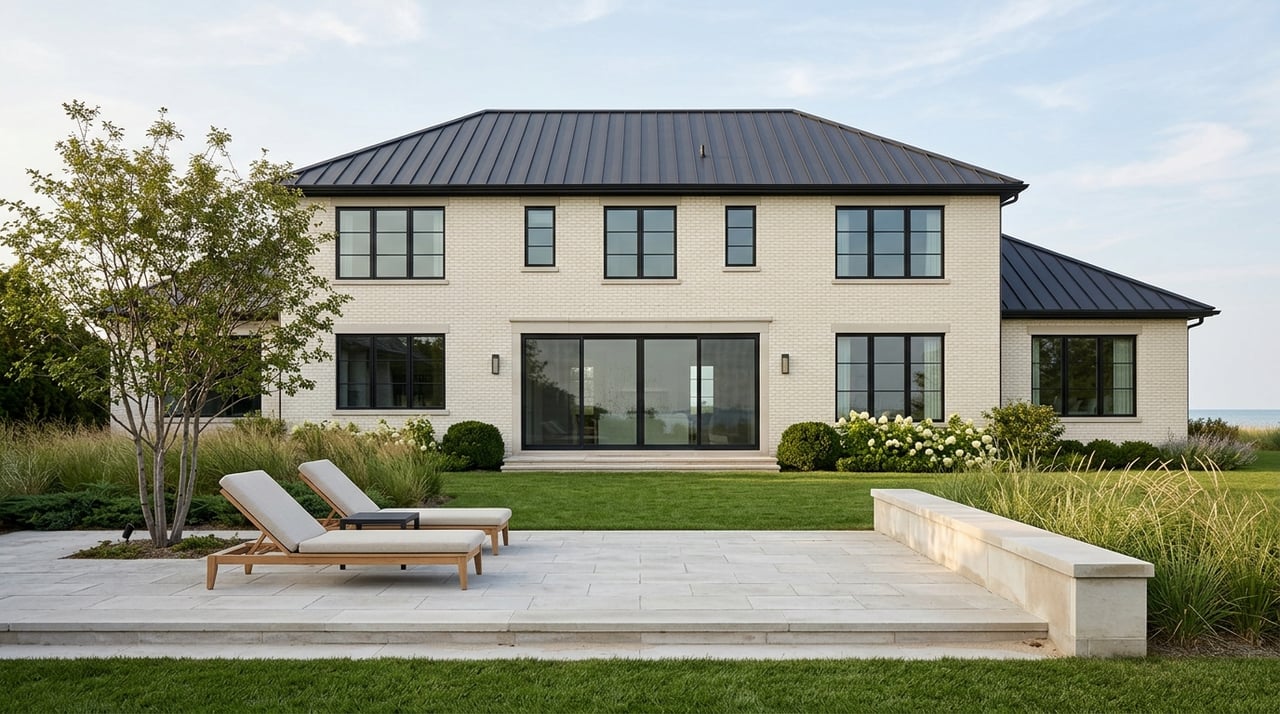
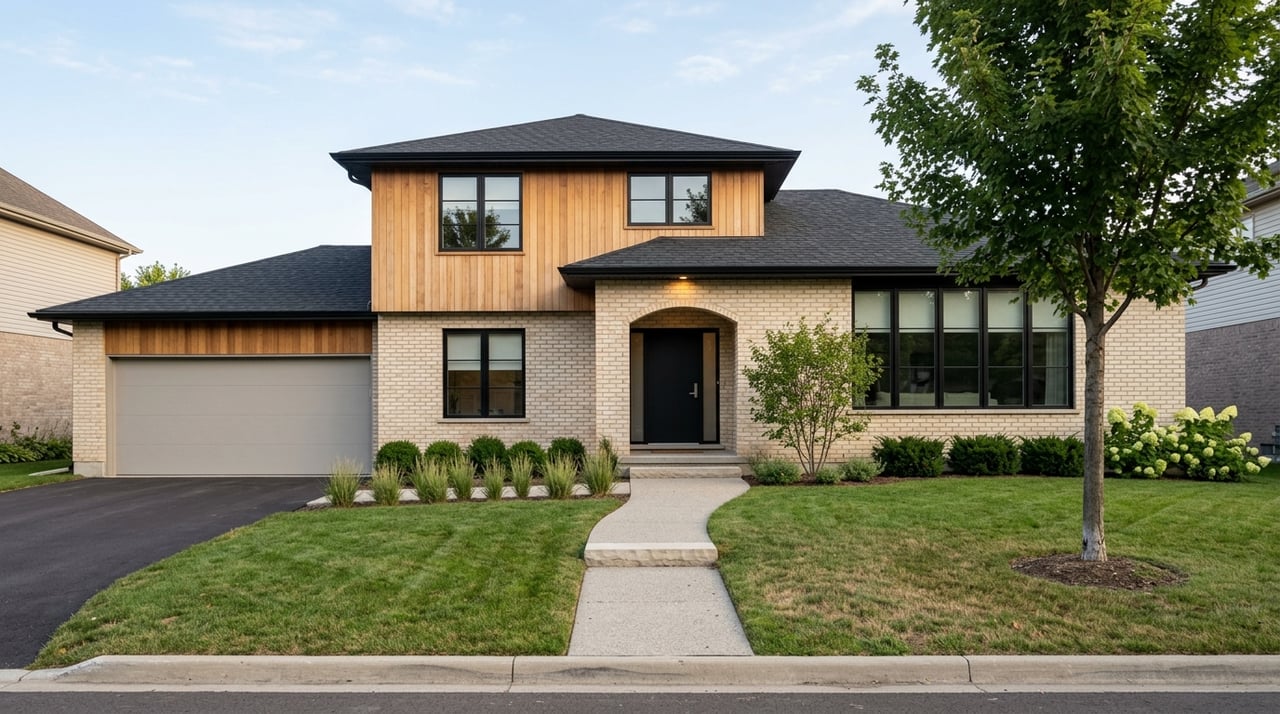
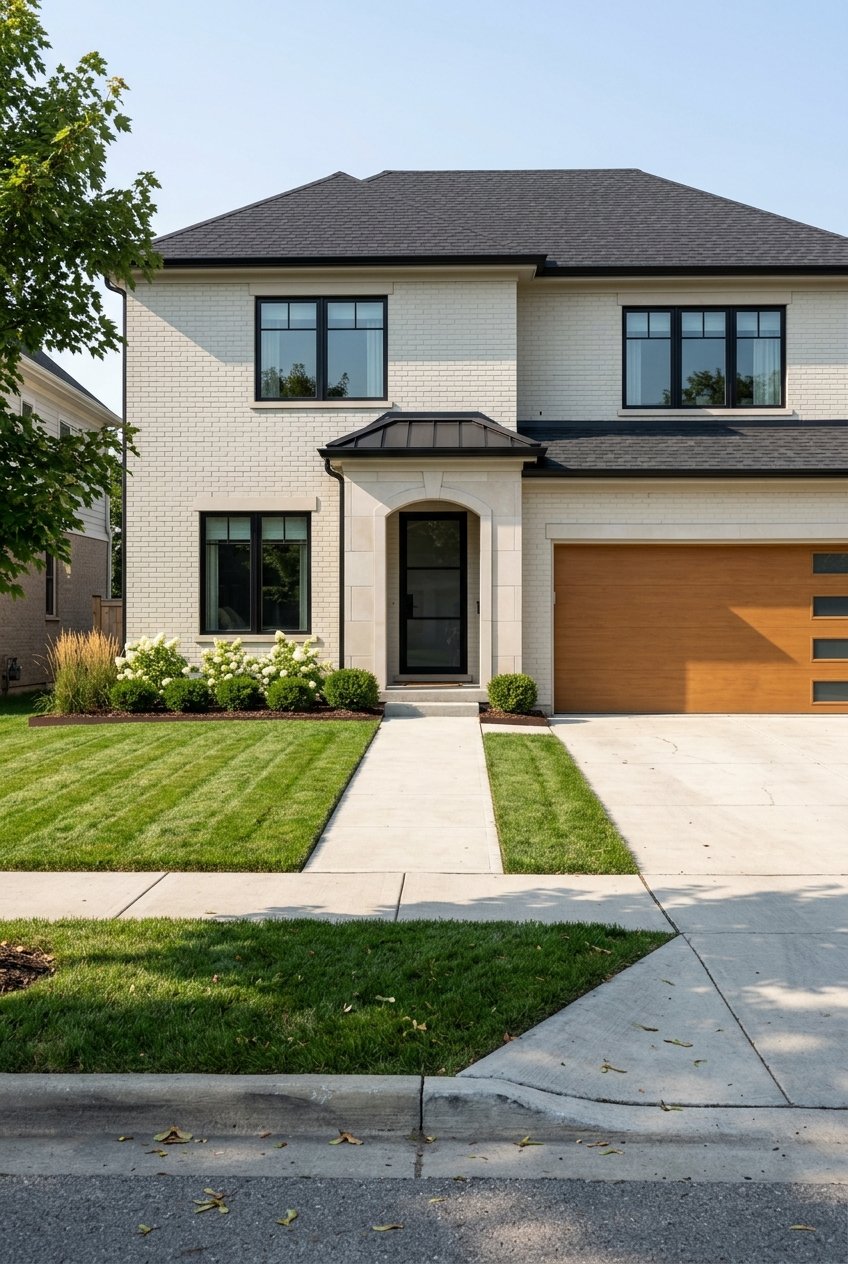
Near the lake, that often translates into established residential areas with older architectural character instead of a uniform new-build look. Wilmette’s preservation materials describe the village through features like single-family residences, brick-paved and tree-lined streets, period street lights, commercial areas, and proximity to Lake Michigan.
Wilmette has 38 local landmarks and three National Register Historic Districts. Shoreline-adjacent examples include Gillson Park, the Frank J. Baker House on Lake Avenue, and the John Stut House on Sheridan Road.
For you as a buyer, that often means the area feels rooted and visually distinctive. The appeal is less about master-planned sameness and more about architectural variety, mature surroundings, and a sense of continuity over time.
One reason lake living in Wilmette can feel practical, not just aspirational, is that daily convenience is close by. Downtown Wilmette is the village’s central business district, centered around the Metra station and home to restaurants and specialty stores.
Other districts, including Plaza del Lago, expand shopping and dining options. The village also notes that downtown on-street parking is free and that several free public lots are available.
Transportation access adds another layer of convenience. The UP-N Metra stops in downtown Wilmette, the CTA Purple Line ends at Linden Avenue, and Pace serves the village.
That gives many residents the ability to pair shoreline living with a workable commute and straightforward errands. If you want a home that feels residential and relaxed without giving up access to transit and daily essentials, that balance is a real strength.
Every lifestyle comes with compromises, and Wilmette’s lakefront is no exception. Summer parking restrictions in the Gillson and Langdon areas, paid beach and parking access, and weather-related closures are all part of the picture.
Still, these trade-offs tend to be easier to handle when you know about them upfront. In many ways, the best description of living near the lake in Wilmette is this: amenity-rich but managed.
That is often exactly what attracts buyers who want beauty and recreation without losing structure and upkeep. You get the shoreline, the parks, the village character, and the everyday convenience, all in a setting that is clearly maintained and thoughtfully used.
If you are drawn to established single-family neighborhoods, historic character, and a shoreline that supports real daily use, Wilmette offers a compelling mix. It can suit buyers who want outdoor access, a strong sense of place, and proximity to both downtown amenities and transit.
It also helps to be the kind of buyer who values a realistic lifestyle over a fantasy one. The lake is beautiful, but it is also seasonal, rule-based, and shaped by weather and shoreline conditions.
That balance is what makes the area feel authentic. If you want calm, connected North Shore living with the lake as part of everyday life, Wilmette stands out for all the right reasons.
If you are exploring Wilmette or preparing to buy or sell in the North Shore, Cornelia Matache offers experienced, no-pressure guidance tailored to your goals, with thoughtful local insight every step of the way.
Stay up to date on the latest real estate trends.
Reach out to explore your goals. I’m here to offer insight, professionalism, and a refined real estate experience.