Which Highland Park Home Styles Best Fit Your Goals?
July 2, 2026
July 2, 2026
If Highland Park listings all seem to look different, you are not imagining it. One block can feature a Tudor Revival home with a steep roof, another can offer a low-slung ranch, and a third may showcase a newer contemporary design. If you are trying to buy or sell here, understanding those style differences can help you make better decisions about layout, maintenance, updates, and resale. Let’s dive in.
Highland Park’s single-family housing stock was built in distinct waves rather than one single boom. According to the city’s historic preservation plan, many areas east of Green Bay Road were developed in the 1920s, while much of the land west of Green Bay Road was built after 1950.
That building pattern helps explain why you see such a wide architectural mix. Earlier growth brought styles like American Foursquare, Bungalow, Craftsman, Colonial Revival, and Tudor Revival. Later development added ranch, modernist, and contemporary homes.
Architecture also matters here because Highland Park has a strong preservation framework. The city’s 2024 budget notes 76 locally designated landmarks and 29 National Register properties across five historic districts, so style is not just visual. In many cases, it is part of the property’s long-term identity and review process.
When people talk about traditional homes in Highland Park, they are usually referring to prewar or early postwar character homes. That does not mean one exact look. It usually includes Colonial Revival, Tudor Revival, Prairie, Craftsman, Bungalow, American Foursquare, and French Eclectic influences documented in the city’s survey areas.
These homes often stand out online because they have a familiar, timeless look. They also tend to carry strong curb appeal, detailed exteriors, and a sense of architectural character that many buyers immediately recognize.
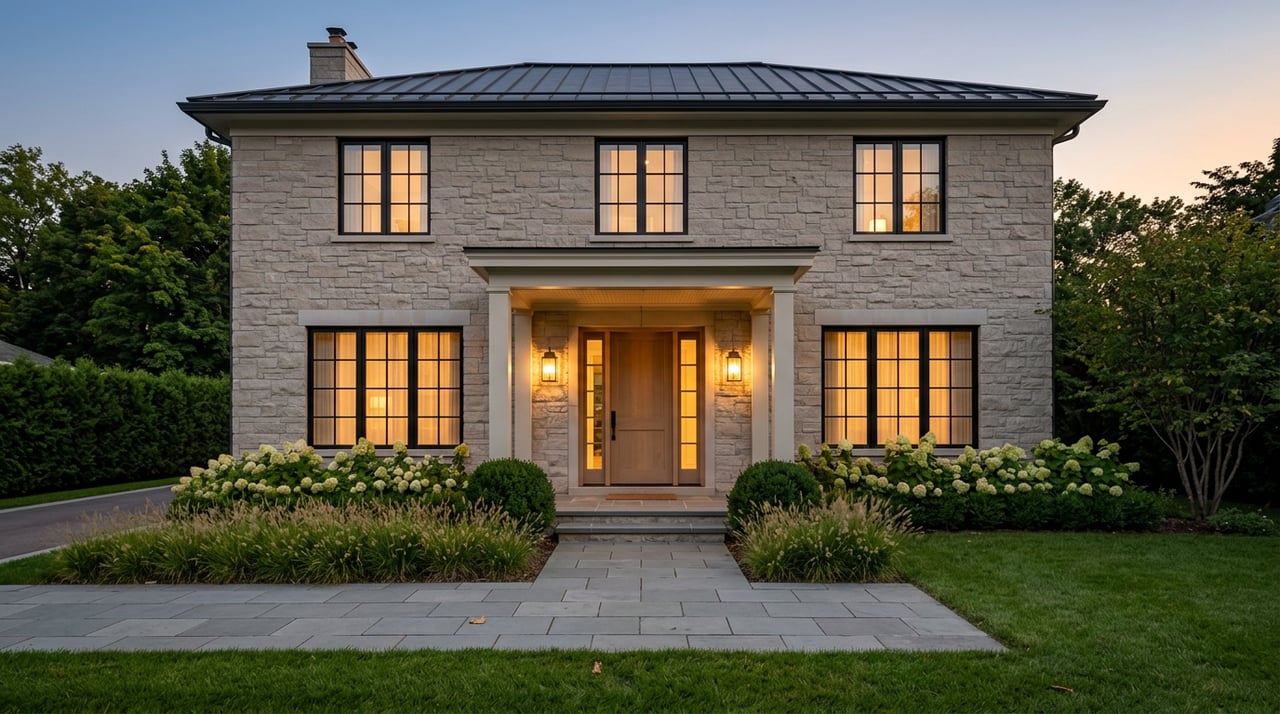
Colonial Revival homes are often symmetrical and formal in appearance. Common features include centered entries, porches, columns, and fanlights.
If you are touring one, you may notice a more traditional floor plan. Rooms can feel more defined and separated than what you see in newer construction, which appeals to some buyers and feels less flexible to others.
Tudor Revival homes usually have steeply pitched roofs, irregular shapes, tall narrow windows, stucco or half-timbering, and prominent chimneys. In Highland Park, these homes often make a strong first impression because of their texture and dramatic rooflines.
They can also be more complex to maintain. Roof geometry, decorative exterior details, and specialized window shapes may require more careful upkeep over time.
Prairie and Craftsman homes emphasize horizontal lines, broad eaves, lower roof pitches, and a stronger relationship to the site. Craftsman and Bungalow homes may also include built-ins and details that add warmth and function.
These homes can feel more grounded and design-forward than a purely formal traditional house. They also tend to attract buyers who value original character and thoughtful detailing.
Traditional homes often come with more compartmentalized first floors. You may see enclosed living and dining rooms, smaller kitchens, and more defined spaces rather than one large open plan.
That layout can work very well if you like separation between rooms or want a more classic feel. It can feel less convenient if you are hoping for a large open kitchen-family room setup without significant renovation.
Maintenance is another major factor. Older masonry, wood trim, original windows, and roof details can all add to the upkeep profile, especially in homes with a high level of exterior detail.
Highland Park also has a meaningful group of midcentury homes. The city’s preservation plan identifies Ranch, Split-Level, Modern, International Style, Miesian, and Wrightian examples from the late 1940s through the 1960s.
For many buyers, these homes feel easier to live in right away. They are often less formal than older traditional homes and can offer a stronger sense of openness, daylight, and connection between interior and exterior spaces.
Ranch homes are typically low and horizontal in form. They often include open floor plans, large living spaces, and wide glass areas.
Split-level homes can also offer practical separation between living areas while still feeling more casual than a fully traditional layout. If you want an established neighborhood setting but prefer less ornament and a more relaxed floor plan, this category may be worth a closer look.
Highland Park’s midcentury modern homes may include long, low forms and generous use of glass. Some also reflect International Style, Miesian, or Wrightian ideas documented in the city’s surveys.
These homes often appeal to buyers who like clean lines and simpler detailing. Their design can feel fresh decades later, especially when original materials and proportions have been respected.
Midcentury homes may look simpler, but that does not always mean cheaper updates. Larger window systems, low rooflines, and older materials can require thoughtful replacement or repair.
This becomes especially important if you want better energy performance. Buyers and owners often need to balance comfort upgrades with preserving the home’s architectural character.
Day to day, many midcentury homes feel easier to maintain than highly detailed traditional homes because they have less ornament. Still, big panes of glass and original materials can be costly to update well.
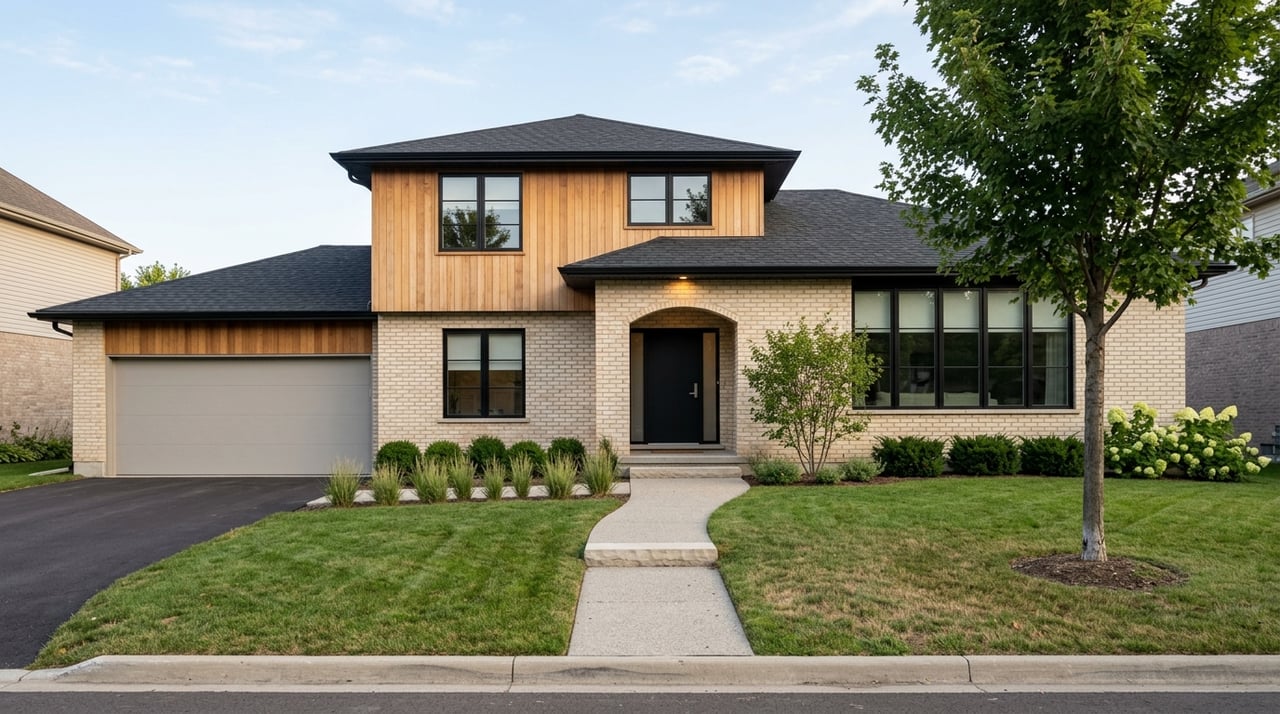
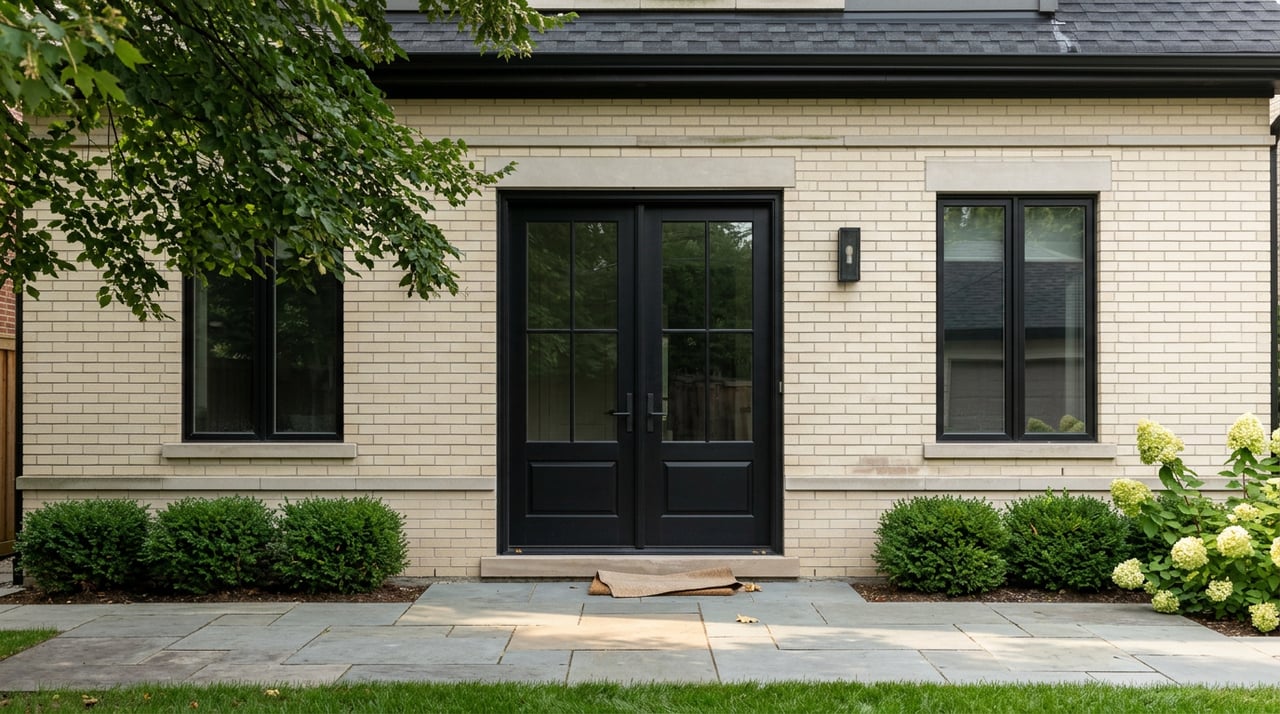
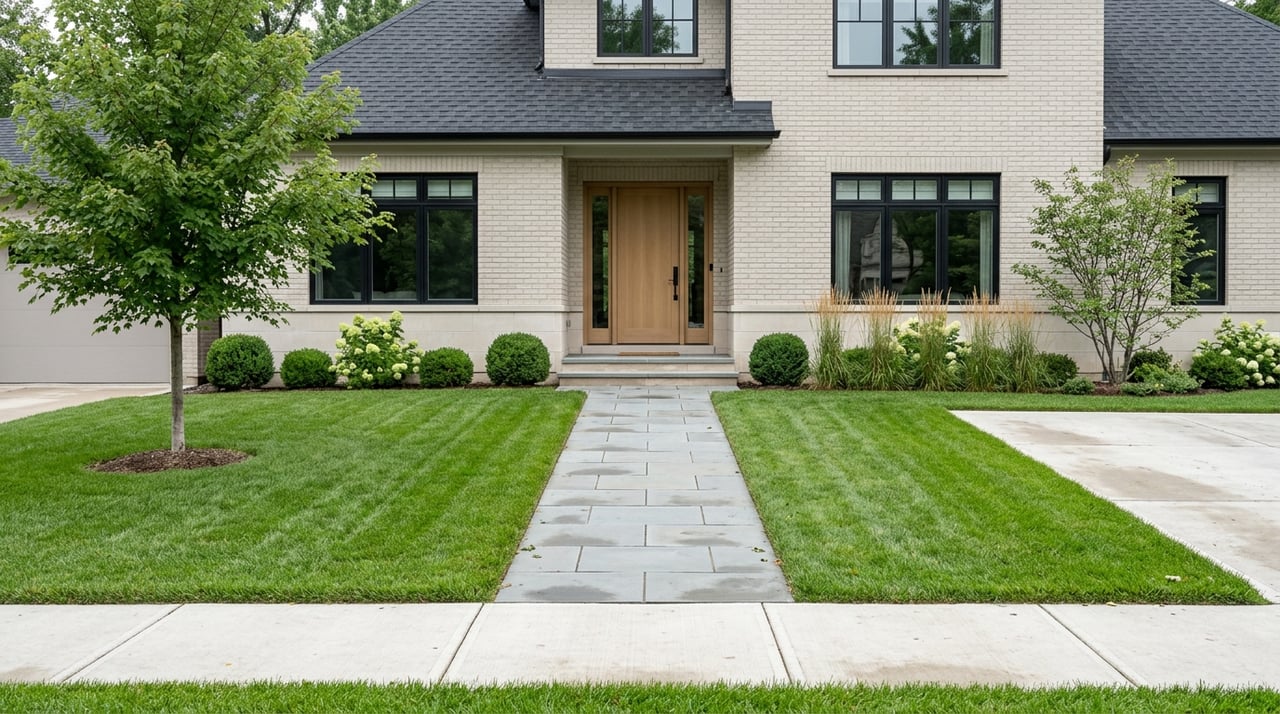
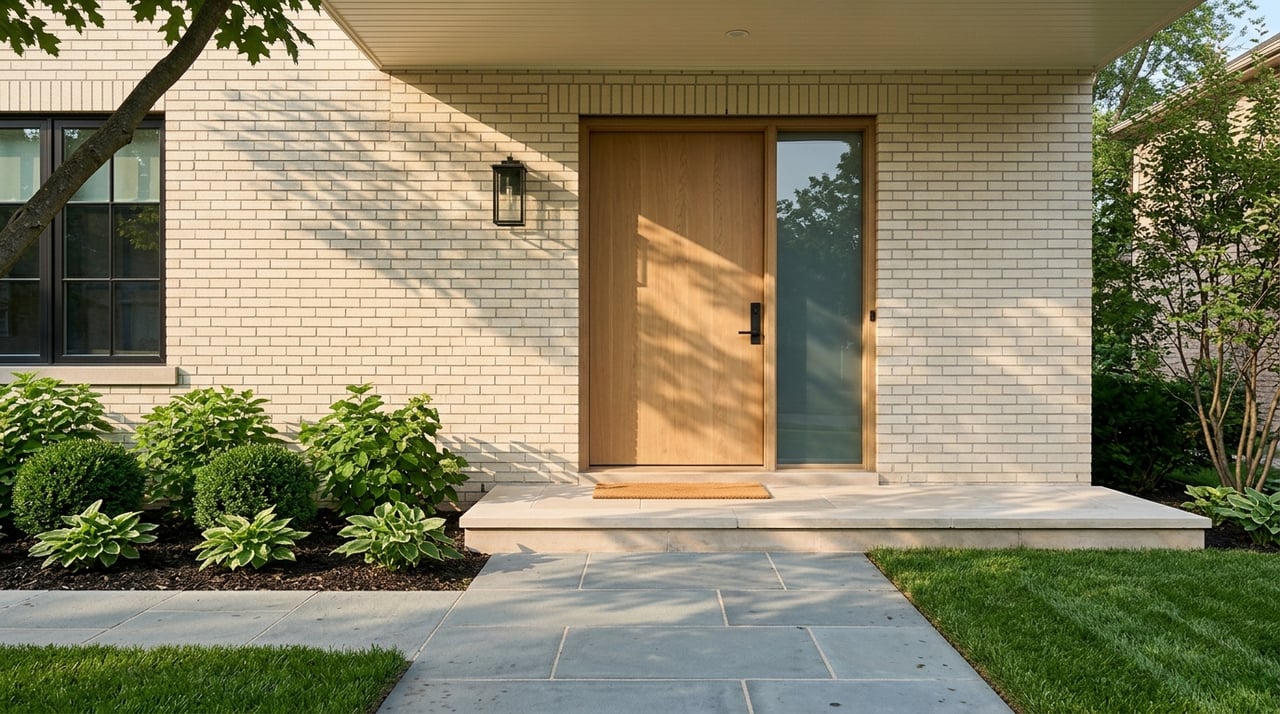
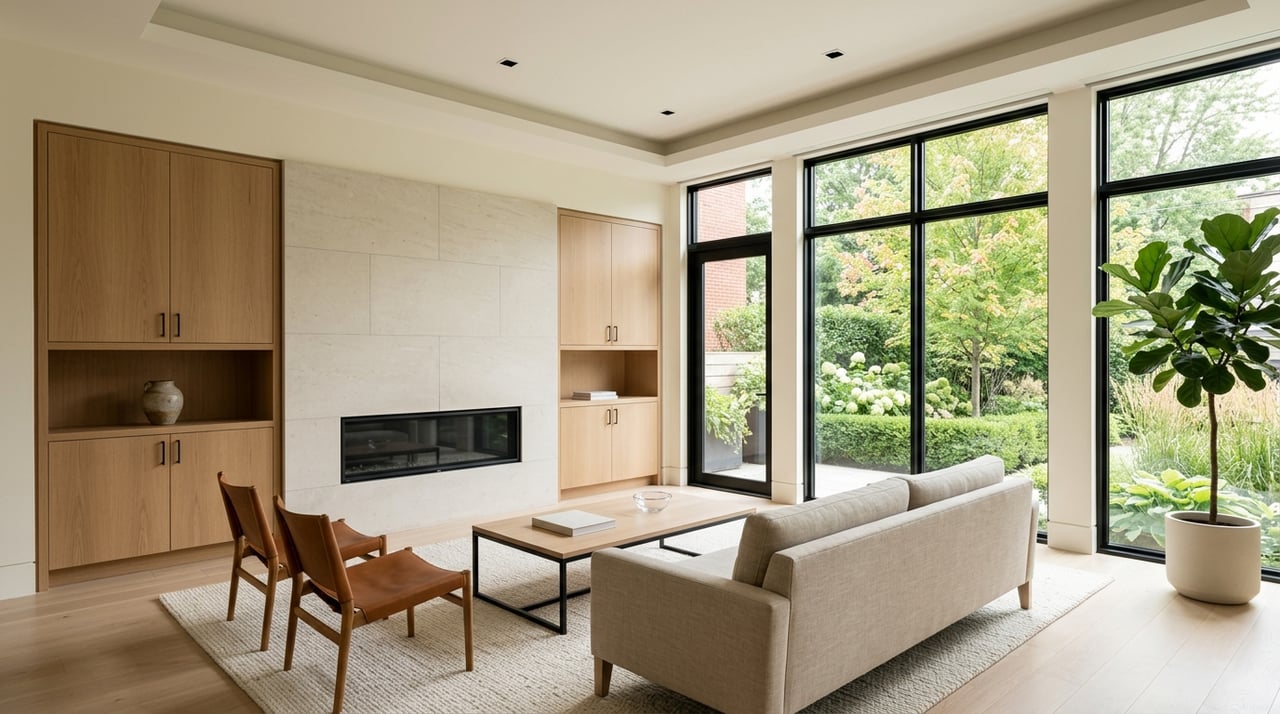
Newer Highland Park homes are less tied to one classic label. The city’s surveys include Contemporary, Post Modern, and Neo-Traditional examples, along with later homes that blend older references with more modern layouts.
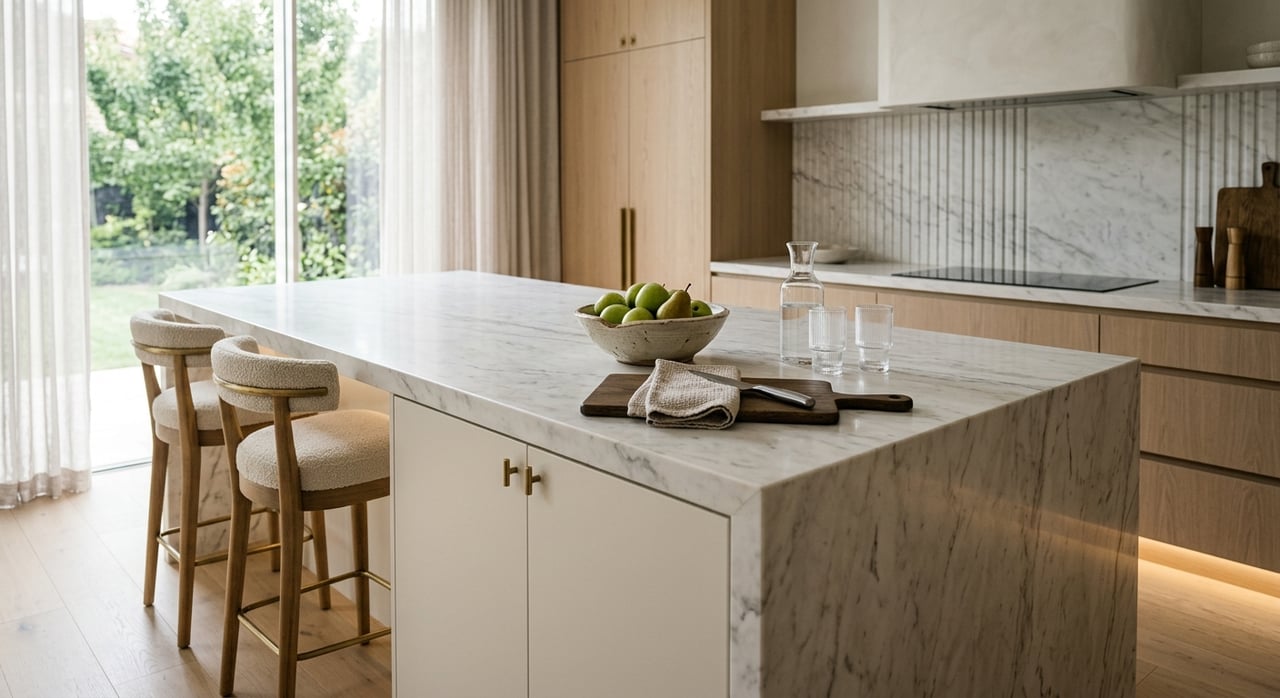
For many buyers, the biggest draw is function. These homes often offer larger kitchens, updated systems, and fewer immediate repair concerns than older properties.
They may also align better with the way many people want to live now. Open gathering spaces, newer finishes, and more recent mechanical systems can make everyday ownership feel more straightforward.
The tradeoff is usually less original detail. A newer home may deliver convenience and scale, but it may not offer the same architectural pedigree as a well-preserved prewar home.
That does not make one category better than another. It simply means the right fit depends on what matters most to you, whether that is character, ease of maintenance, layout, or future flexibility.
In Highland Park, style is not only about appearance. It can also shape what changes are easier, harder, or subject to review.
The city says local landmarks and homes within local historic districts are regulated structures, and regulated activity requires approval from the Historic Preservation Commission. The city also notes that exterior work on historic buildings or buildings in historic districts may need commission review.
That matters if you are thinking about replacing windows, changing exterior materials, adding solar, or making other visible updates. In some cases, what seems like a routine project may involve an added review step.
Tree rules can also affect your plans. Highland Park requires a permit and tree-preservation review for removal of healthy trees over 8 inches DBH, which can influence site work, additions, and landscape changes.
In Highland Park, architecture and landscape character are a visible part of the city’s identity. That means buyers often respond strongly to homes that feel true to their style, whether that is a traditional house with intact details, a midcentury home with clean original lines, or a newer property with thoughtful design.
Homes with intact facades, original millwork, and well-executed updates often stand out. Buyers who value character and local history may be drawn to older homes, while buyers who prioritize openness and daylight may lean toward midcentury or newer options.
For sellers, this is an important reminder. The goal is not to make every home feel the same. It is to present your home in a way that highlights the strengths of its specific style.
When you scroll through Highland Park listings, do not stop at the style label alone. Ask what that style means for the way you will live in the home and what it may require after closing.
A helpful checklist includes:
Those questions can help you compare homes more clearly, especially when two properties have similar price points but very different ownership profiles.
Highland Park’s mixed housing stock is one of the things that makes the market so interesting. Traditional homes offer character and a strong visual identity, midcentury homes often bring cleaner lines and livable layouts, and newer homes usually deliver updated systems and modern flow.
The best choice depends on your priorities. If you understand how style connects to maintenance, layout, and future changes, you can buy with more confidence or position your home more effectively when it is time to sell.
If you want thoughtful, no-pressure guidance as you compare home styles or prepare your property for the market, Cornelia Matache can help you evaluate what matters most and move forward with clarity.
Stay up to date on the latest real estate trends.
Reach out to explore your goals. I’m here to offer insight, professionalism, and a refined real estate experience.