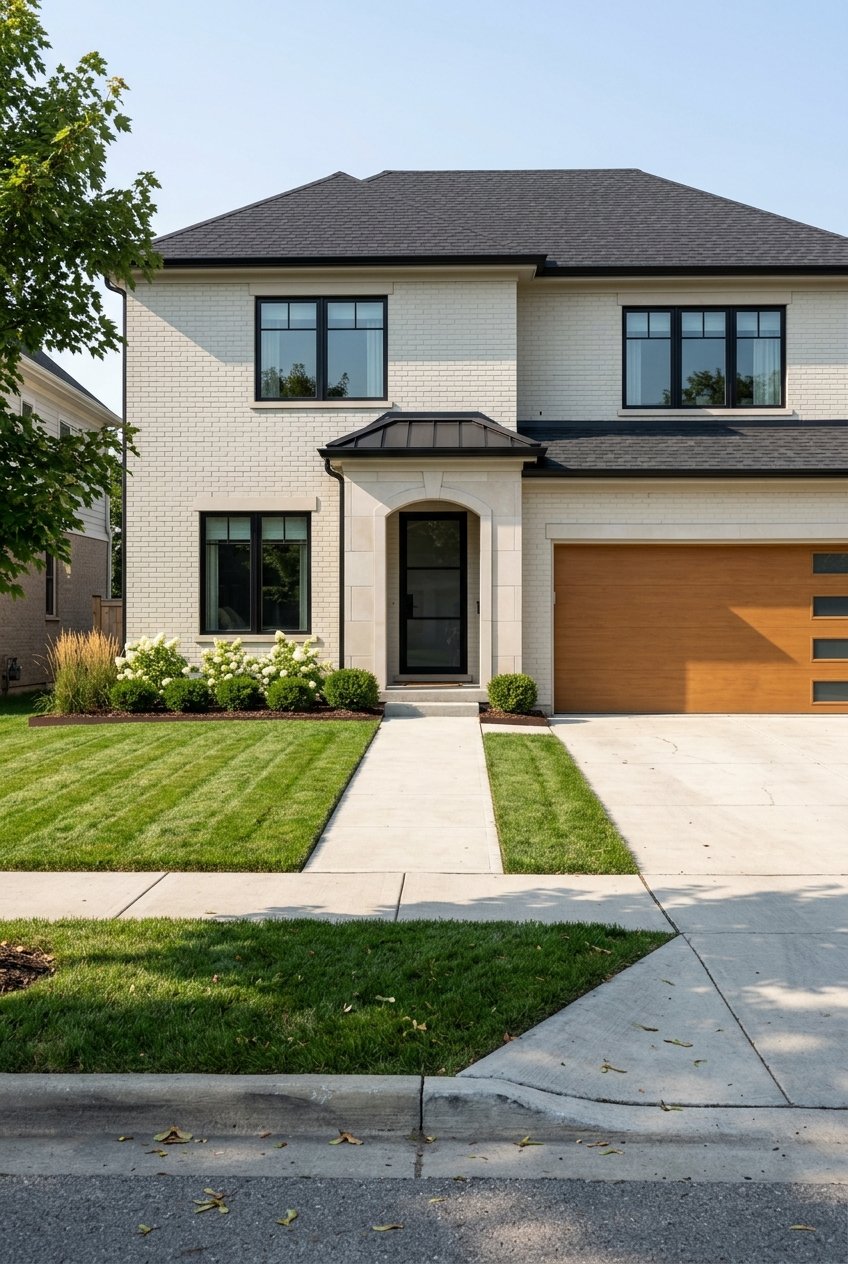
A Glenview Neighborhoods Guide for Your Lifestyle
June 4, 2026
June 4, 2026
Choosing the right Glenview neighborhood can feel harder than choosing the right house. One block may offer walkable errands and train access, while another gives you a larger lot, quieter streets, or newer homes with less upkeep. If you are trying to match your next move to your daily routine, this guide will help you compare Glenview’s most talked-about areas with more clarity. Let’s dive in.
Glenview offers a mix that is not always easy to find in one suburb. The village spans about 14 square miles, has a population of roughly 48,705, and a homeownership rate of 78.4 percent. It also combines access to major roads, commuter rail, established residential pockets, and a deep park system.
For many buyers, lifestyle comes down to convenience and options. Glenview sits between I-94 and I-294, and the village notes that the average Metra commute to downtown Chicago is about 30 to 35 minutes. On top of that, local parks and recreation are a major part of everyday life here.
The village highlights 34 parks and playgrounds covering more than 290 acres. The Glenview Park District manages 861 acres, 26 parks, and 12.6 miles of walking trails. That means your neighborhood choice is not just about the home itself, but also how you want to spend your time once you live there.
Before you narrow your search, it helps to think about what matters most in your routine. Some buyers want to walk to coffee, the train, or a local park. Others care more about lot size, privacy, or a home that feels newer and easier to maintain.
A practical way to compare Glenview neighborhoods is to weigh these factors:
One important note is that school assignment can vary by address in Glenview. The Village of Glenview directs buyers to confirm school districts, zoning, and other property-specific details through its Community Portal before purchasing.
If you want a more connected, walkable lifestyle, Downtown Glenview and nearby Swainwood are often at the top of the list. Downtown Glenview is the village’s historic commercial center, with two distinct character zones. The Waukegan Road corridor feels broader and more arterial, while the Glenview Road corridor has a smaller, more village-scaled feel.
The Downtown Glenview station at 1116 Depot Street is a major draw for commuters. It sits on Metra’s Milwaukee District North line, also handles Amtrak service, and includes Pace connections and commuter parking. If regular train access is part of your routine, this area deserves a close look.
Swainwood adds a classic residential setting near that downtown core. It is often described as a mature, tree-lined area with traditional architecture and access to places like Roosevelt Park, the library, and the train station. Housing here includes historic colonials along with newer construction on wider lots.
This part of Glenview tends to appeal to buyers who want daily convenience. You may be able to leave the car parked more often and enjoy a more urban-suburban rhythm. That can be especially attractive if you commute, like older housing stock with character, or simply want more activity nearby.
At the same time, housing styles can vary from block to block. Some homes feel rooted in Glenview’s older history, while others reflect updated or newly built options. If you like a neighborhood with established streets and a true village center, this area checks a lot of boxes.
If your priority is newer construction or a more contained live-work-play setting, The Glen and North Glenview stand out. The Glen was redeveloped from the former Glenview Naval Air Station, a 1,028-acre site that closed in 1993. Today, the redevelopment includes about 5,500 residents and nearly 1.9 million square feet of retail, restaurant, hotel, and office space.
The Glen Town Center is built around convenience. It includes specialty retailers, restaurants, luxury apartments, office space, and a movie theater. For many buyers, that creates an easy lifestyle where shopping, dining, and entertainment are built into the neighborhood itself.
North Glenview station at 3000 Old Willow Road adds another strong commuter option. It serves the Milwaukee District North line, is accessible, and offers 1,261 parking spaces. If you want strong rail access on this side of town, that parking supply can be a meaningful advantage.
The Glen is commonly associated with newer condos, townhomes, attached homes, and some single-family subdivisions at the edges. That often translates to a lower-maintenance lifestyle than you may find in older parts of Glenview. If you want newer layouts, more predictable upkeep, or less weekend yard work, this area may feel like a strong fit.
Outdoor space is also a key part of the appeal. Gallery Park, located nearby, is Glenview’s largest community park at 142 acres and includes 1.8 miles of walking paths. For buyers who want both convenience and access to open space, The Glen offers a balanced option.
If you picture more yard space, more separation between homes, and a more private residential setting, East Glenview is often where your search starts to sharpen. Buyers commonly look here for larger lots, quieter surroundings, and a more estate-like feel. That makes it a different experience from the more walkable mixed-use areas closer to downtown or The Glen.
East Glenview is often described as an area with stately homes, custom estates, and renovated mid-century residences. Glen Oak Acres, a pocket within East Glenview near Sunset Ridge Road, Wagner Farm, and Cole Park, is known for generous lots and quiet streets. The Village of Glenview also references Glen Oak Acres as an established neighborhood, reinforcing its long-standing residential character.
The tradeoff here is usually simple. You may get more privacy, lot size, and a quieter setting, but less walk-to-everything convenience. For many buyers, that tradeoff is worth it.
This part of Glenview can make sense if your home is your retreat and you want more space around you. It can also appeal if you are focused on custom homes, mature residential surroundings, and easier access to east-side open space amenities.
If you want a classic neighborhood feel with mature trees and less commercial activity, the central pockets around Park Manor, Indian Ridge, and the Roosevelt corridor are worth attention. These areas offer a more traditional residential experience while still keeping you close to parks and community amenities.
A useful clue about the area’s character comes from the village’s tree-trimming updates, which began in Park Manor and Indian Ridge. That points to the kind of mature street canopy many buyers value in established neighborhoods. It is a small detail, but it tells you something about the feel of the streetscape.
Park Manor is often described as a community-oriented pocket with a mix of luxury condos, rowhomes, and single-family homes. That range can give buyers a few more options in how much space and maintenance they want to take on.
This part of Glenview has strong access to major recreation anchors. Roosevelt Park includes a pool, ice rink, playground, and sports fields. Community Park West adds a skate park, dog park, lighted fields, and walking paths.
You are also near The Grove and Historic Wagner Farm, two major open-space and heritage amenities in the village. If park access and weekend recreation matter to you, these central neighborhoods deserve a close look.
Here is a simple way to think about Glenview’s most-compared areas.
| Neighborhood area | Often best for | What stands out |
|---|---|---|
| Downtown Glenview / Swainwood | Walkability, train access, village feel | Historic core, Metra and Amtrak access, traditional homes, nearby daily conveniences |
| The Glen / North Glenview | Newer construction, lower maintenance | Mixed-use town center, newer housing options, major park access, large station parking |
| East Glenview / Glen Oak Acres | Privacy, larger lots, custom homes | Estate-like feel, generous lots, quieter streets, more residential seclusion |
| Park Manor / Indian Ridge / Roosevelt corridor | Established neighborhood character, park access | Mature trees, classic residential setting, strong recreation access |
No matter which part of Glenview feels right, a few practical checks can help you make a smarter decision. This is especially important in a village where lifestyle can shift meaningfully from one pocket to another.
Be sure to confirm:
This is where local guidance matters. A neighborhood may sound right on paper, but your best fit usually becomes clearer once you compare specific streets, homes, and routines side by side.
The best Glenview neighborhood is the one that supports how you actually live. If you want walkability and a commuter-friendly setup, Downtown Glenview or Swainwood may be the right match. If you prefer newer homes and easier upkeep, The Glen may rise to the top.
If privacy and larger lots matter most, East Glenview and Glen Oak Acres may feel more aligned. And if you want an established residential setting near standout parks and recreation, Park Manor, Indian Ridge, and the Roosevelt corridor are strong contenders.
If you want help comparing Glenview neighborhoods in a calm, no-pressure way, Cornelia Matache can help you narrow the options, evaluate specific homes, and move with confidence.
Stay up to date on the latest real estate trends.

Reach out to explore your goals. I’m here to offer insight, professionalism, and a refined real estate experience.